

Campus News
The Panthers and Genet
September 2nd, 2011
Emory Douglas, Kodwo Eshun, Lili Reynaud-Dewar & John Akomfrah OBE (via Skype)
Date: Tuesday 30 September
Time: 11am-4pm
Venue: The Space, Nottingham Contemporary, Weekday Cross, Nottingham
Admission: Free
Posted in Public Lectures, What's On | Comments Off on The Panthers and Genet
The Glorious Revolution and its Aftermath in the Historic Collections of The University of Nottingham
September 2nd, 2011
Professor Bill Speckl
Date: Monday 10 October
Time: 1pm-2pm
Venue: Djanogly Recital Hall, Lakeside Arts Centre, University Park
Admission: Free
Posted in Public Lectures, What's On | Comments Off on The Glorious Revolution and its Aftermath in the Historic Collections of The University of Nottingham
Students make British history
September 2nd, 2011
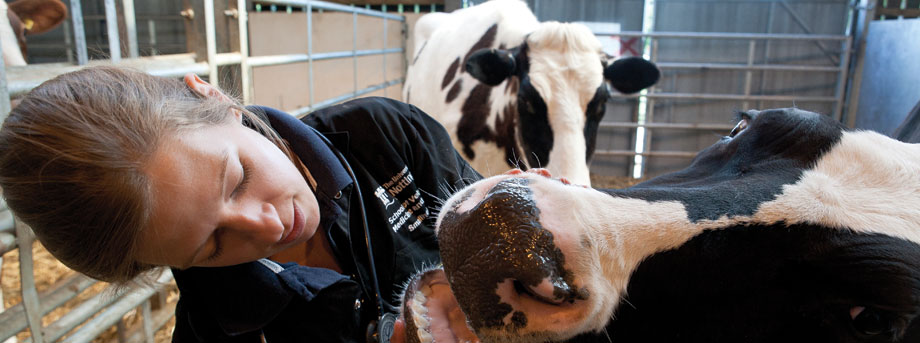
Eighty-four students made history on 22 July 2011 when they graduated from the first purpose-built vet school in Britain for 50 years.
The students were the first to complete an innovative five-year veterinary degree course, which has helped change the way veterinary medicine is taught in Britain.
The course is unique in that students get hands-on experience with animals from day one and it awards three separate degrees: Bachelor of Veterinary Medical Sciences (BVMedSci) is awarded in year three after completion of a research project, and the professional qualifications, the Bachelor of Veterinary Medicine (BVM) and Bachelor of Veterinary Surgery (BVS) degrees in year five.
Earlier this year, The Royal College of Veterinary Surgeons made its unanimous recommendation for the degree’s approval to the Privy Council after a detailed visitation and audit process.
Prof Lance Lanyon, chairman of the visitation panel, said: “The visitors were struck by the level of commitment staff showed to meeting the objectives of the school and the pride in its achievement displayed by all the staff and students that they met. Achieving such unity of purpose in a university setting is a remarkable testament to the high standard of leadership from the Dean and his senior colleagues working within a refreshingly supportive environment of devolved authority provided by the University.”
Prof Gary England, Foundation Dean and Professor of Comparative Veterinary Reproduction, said: “Recognition by the Royal College of Veterinary Surgeons was the highest possible accolade they could award — their approval and the graduation ceremony is the culmination of five years’ successful hard work for staff and students.”
Its first graduates included ex-Harrier pilot Mark Westwood, now working with Animates Veterinary Clinic in Bourne, Lincolnshire. Jennifer Hall is joining St David’s Farm Practice in Exeter. Carolyn Harvey-Myers is working at a small animal hospital in her home city of Lincoln, and Toby Trimble has found his dream job as an exotics and small animal houseman at Manor Vets in Birmingham.
Mark said: “The vet school presents a unique opportunity to master the skills required of a vet on the first day of their first job. It is unrivalled in the opportunities it offers to develop communication skills with clients and to learn the many practical skills required of a vet in a working environment. ”
Toby said: “Originally I was interested in how animals worked, then I came to understand how vets could improve animal welfare. Having always been in interested in birds, being able to study them in a clinical context was a great opportunity. Manor Vets is developing a new exotics service at its Edgbaston practice. I’ll be working with Marie Kubiak, who’s a specialist in avian medicine and surgery. This is a great opportunity.”
Jennifer seized her chance while completing her degree in Biosciences. “The vet school appeared so I applied! I’d heard so much about the course and had watched the buildings go up. I couldn’t resist trying just one more time to pursue my chosen career.
“The course suited my style of learning perfectly. Everything was based on practical application and there were many opportunities to learn with different resources. We were positively encouraged to look at the real thing and not sit for hours poring over books which, when you’re going into a practical profession, makes sense.”
Carolyn Harvey-Myers said: “It has been fantastic having so much practical teaching and clinical information taught from the beginning of the course. Hopefully all of the practical teaching we have experienced will mean that we can hit the ground running when we get to our first jobs.”
Professor David Greenaway, Vice-Chancellor, said: “Having set up the new school from a standing start the graduation of our first cohort of vet students is a chance to celebrate a remarkable achievement. Our congratulations go to the students and we wish them well in their future veterinary careers — whether in clinical practice or research.”
David Noakes, Emeritus Professor of the Royal Veterinary College, received an honorary degree during the ceremony.
Research is central to the school’s activities, both in terms of maintaining its position at the forefront of national and international efforts in veterinary medicine and as an integral part of the training and education. It focuses on five strategic areas: infection and immunity; population health and welfare; comparative medicine; reproductive biology and veterinary educational research. It was recognised as top, in a joint submission with the School of Biosciences, in Agriculture, Veterinary and Food Science in the last Research Assessment Exercise for the power of its research.
Tags: Bachelor of Veterinary Medical Sciences (BVMedSci), Bachelor of Veterinary Medicine (BVM), Bachelor of Veterinary Surgery (BVS), Biosciences, Prof Gary England, Prof Lance Lanyon, The Royal College of Veterinary Surgeons
Posted in Features | Comments Off on Students make British history
Anon series
September 2nd, 2011
Inge Tong’s Anon series is at Wallner Gallery, Lakeside Arts Centre, Saturday 17 September to Sunday 30 October. Exhibition preview and a chance to meet the artist is on Thursday 15 September, 6pm-7pm. Call the box office on (0115) 846 7777 to book a place.
Inge Tong’s Anon series is based on her collection of photographs from the beginning of the last century to the 1970s, gleaned over the years from flea markets and shops. These images have been reworked in oil, and her intimate paintings retain the compelling immediacy of the original images, drawing together documents of lives disconnected through time and place into a body of work with its own speculative narrative. www.lakesidearts.org.uk.
Tags: Inge Tong
Posted in events | Comments Off on Anon series
The New State of England
September 2nd, 2011
Friday 16 September to Sunday 11 December, Weston Gallery, Lakeside Arts Centre. Open from 11am to 4pm, Monday to Saturday, and noon to 4pm on Sundays.
At the dawn of the 18th Century a Dutch king was sitting on the English throne. A new era in British politics and cultural life had begun. The exhibition showcases the archives of the Portland family held by the University’s Manuscripts and Special Collections to chart a tumultuous journey through 1685-1720.
The political turmoil of the Glorious Revolution saw the Catholic James II replaced with William of Orange. The exhibition explores fierce and familiar sounding, debates. Could a Catholic inherit the British crown and how should England and Scotland be governed under the crown? What were the rights and wrongs of free speech, and was the press dangerously powerful? How could the economy respond to a stock market bubble and crash? Playwrights, poets and authors revelled in the scandalous behaviour of monarchs and politicians.
The displays follow the figure of William Bentinck, one of William of Orange’s confidantes and advisors whose service was rewarded with the title Earl of Portland. He was the founder of a powerful political family, based at Welbeck Abbey in Nottinghamshire. The Portland papers are a key source for this fascinating period.
Tags: Earl of Portland, manuscripts and special collections
Posted in events | Comments Off on The New State of England
Spotlight
September 2nd, 2011

Can clay help struggling teenagers?
Researchers are to investigate whether the therapeutic effects of clay modelling could help teenagers struggling with mental health problems.
Academics are teaming up with professionals in the NHS, Nottingham Contemporary and local artists for the innovative £25,000 one-year project. It will focus on young people who are accessing local mental health services through the NHS and may be dealing with a range of psychosocial personality problems, anger issues, anxiety and depression.
Dr Gary Winship, of the University’s School of Education, part of the project team, said: “Anecdotally, it may offer potential therapeutic effects through the cathartic venting of emotions through banging, squashing, bending or breaking the clay.”
Read more at: http://tiny.cc/UoNclay
Research partnerships awarded £13.5m
Two University and NHS research partnerships in Nottingham have been awarded a combined £13.5m to help them develop and translate scientific discoveries into ground-breaking medicines, treatments and better care for all NHS patients.
Nottingham University Hospitals NHS Trust (NUH) has secured two awards with the University, looking at gastrointestinal disease and hearing problems. The Biomedical Research Units are supported by the National Institute for Health Research. The funding is part of £800m awarded nationally.
Read more at: http://tiny.cc/UoNBRU
Alzheimer’s funding
Researchers have been awarded £670,000 to develop an early warning system for Alzheimer’s disease.
Funding from the Medical Research Council (MRC) will be used to develop a diagnostic test that will pick up Alzheimer’s disease and other dementias much sooner than is currently possible.
The number of people with dementia are set to soar, with 1m people in the UK predicted to have the condition within the next 10 years.
Professor Paul O’Shea, who leads the Nottingham team, and clinical colleague Dr Nin Bajaj of the Nottingham University Hospitals Trust, said: “We are thrilled that the MRC has agreed funding for this project to develop a cost-effective, highly accurate screening technique for dementia that may ultimately pave the way for earlier therapeutic interventions in this devastating condition.”
Read more at: http://tiny.cc/UoNAlzheimers
New tool to predict blood clots risk
A new risk prediction tool can identify patients at high risk of serious blood clots who might need preventative treatment, according to a study published on bmj.com.
Nottingham researchers developed and validated a new clinical risk prediction algorithm (QThrombosis).
The tool, which can be found at: www.qthrombosis.org, is based on simple variables which the patient is likely to know and could be easily integrated into GP computer systems to risk assess patients prior to hospital admission, long-haul flights, or starting medications that carry an increased clotting risk.
The condition, known as venous thromboembolism, is a common potentially lethal disease which can be prevented. In England alone, it claims more than 25,000 lives each year and, of those who survive, almost a third experience long-term effects.
Read more at: http://tiny.cc/UoNclots
Posted in media | Comments Off on Spotlight
Breast milk and eczema: Call for guidance
September 2nd, 2011
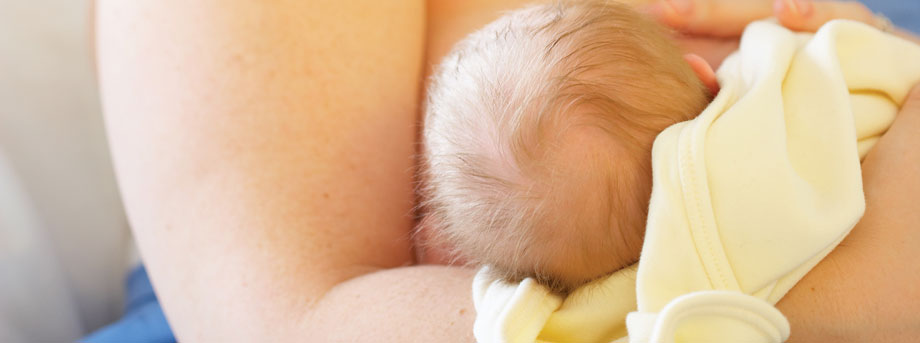
The largest worldwide study on the association between breastfeeding, weaning and eczema has found no clear evidence that exclusive breastfeeding for four months or longer protects against childhood eczema, according to research published in the British Journal of Dermatology.
Researchers from Nottingham, King’s College London and the University of Ulm, Germany, studied data from 51,119 eight- to twelve-year-olds, from 21 countries, in phase 2 of The International Study of Asthma and Allergies in Childhood. The research involved parent questionnaires, skin-prick tests and examinations. Their findings have prompted them to call for a review of the UK’s breastfeeding guidelines with regard to eczema.
Hywel Williams, Professor of Dermato-Epidemiology and Director of Nottingham’s Centre for Evidence Based Dermatology, said: “There is no doubt that breast is best in terms of prevention of infections and parental bonding, but mothers who cannot breastfeed should not feel guilty if their child develops eczema. The evidence that prolonged and exclusive breastfeeding protects against eczema is not convincing.”
Earlier studies suggested breastfeeding had a protective effect against eczema. The Department of Health recommends exclusive breastfeeding for six months to prevent eczema, in line with the World Health Organisation. The study authors say mounting evidence suggests that the early introduction of potentially allergenic food could increase tolerance rather than cause an allergy, although this remains to be confirmed. The study concluded that children who were exclusively breastfed for four months or more were as likely to develop eczema as children who weren’t.
Dr Carsten Flohr, who is now based at King’s College London, said: “Although there was a small protective effect of breastfeeding per se on severe eczema in affluent countries, we found no evidence that exclusive breastfeeding for four months or longer protects against eczema in either developed or developing nations. We feel that the UK breastfeeding guidelines with regard to eczema should therefore be reviewed. Further studies are now required.”
Dr Flohr stressed: “It is widely accepted that breast milk is the most important and appropriate nutrition in early life. Especially in the context of developing countries, it is also important to keep in mind that exclusive breastfeeding reduces the risk of gastrointestinal infections compared to mixed or bottle feeding. Our study does not change this notion.”
Nina Goad, of the British Association of Dermatologists, said the findings were significant, although further research was needed. She added: “Following these further studies we may need to review the UK’s advice on how long mothers should breastfeed exclusively for, and at what age we should be weaning our infants, in relation to eczema prevention.
“This study isn’t about the benefits of infant formula milk versus breast milk, nor is it questioning other benefits of breast feeding, but it is about whether breastfeeding exclusively for prolonged periods and weaning after six months, as opposed to after four months, has any impact on eczema risk.”
Tags: breastfeeding, British Association of Dermatologists, British Journal of Dermatology, Centre for Evidence Based Dermatology, Dr Carsten Flohr, eczema, Hywel Williams, King’s College London, Professor of Dermato-Epidemiology, The International Study of Asthma and Allergies in Childhood, University of Ulm, World Health Organisation
Posted in Research | Comments Off on Breast milk and eczema: Call for guidance
Mission to Malawi: a medic’s legacy
September 2nd, 2011
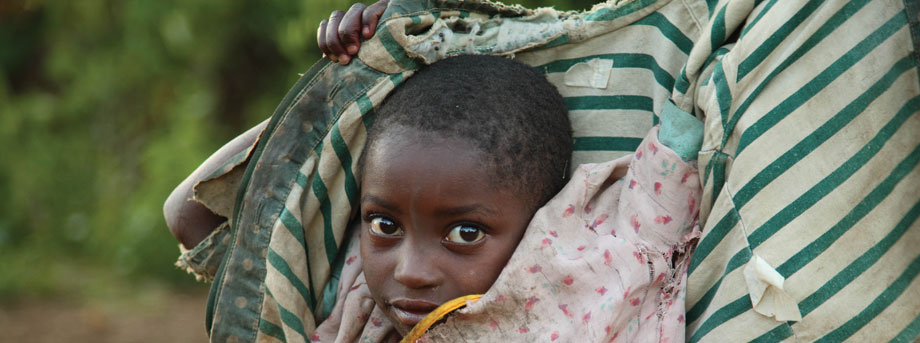
A charity set up in memory of a young Army doctor and former University of Nottingham medical student is helping to improve healthcare in Africa and providing valuable work experience for medical and nursing students.
Alex Coutselos became an Army medic and Paratrooper while studying medicine at the University but died suddenly in 2006, aged just 23. Alex had worked extensively in Africa and his love of the continent and passion for humanitarian work inspired his mother, Ruth Markus, to set up The AMECA Trust after his death.
Ruth and AMECA’s trustees attended the official opening of the new wing funded by the charity at The Beit CURE International Hospital in Blantyre, Malawi. The two-storey AMECA wing has a private surgical day ward, training facilities and a café, which will hopefully produce additional income. The revenue from these facilities will help to fund free orthopaedic treatment for the children of Malawi and also contribute to the Malawian National Club Foot Programme.
AMECA has also awarded bursaries of £1,000 each to 15 medical and nursing students at the University to help fund their electives (clinical placements) in Africa. Ruth met the bursary winners at an event at the Medical School in June, where they gave presentations and feedback on their trips to Africa to staff and students.
AMECA has donated bursaries to Nottingham medical students for the past three years, but this year is the first year that has been extended to nursing students. The AMECA bursaries have allowed the University to apply for match funding from the Government to help even more students fund their electives abroad. This will allow the charity to consider widening the awards to include other medical disciplines within the Faculty of Medicine and Health Sciences at the University.
Ruth said: “The AMECA Trust is naturally very proud of the successful completion of its first totally sustainable build project. Within days of opening, the AMECA wing was being used for elective surgical cases and the charity looks forward to receiving news of the numbers of children who will benefit from free treatment in Malawi as a result of this income-producing venture.
“The charity is especially proud to have employed the services of so many local people in Malawi and to have completed this project on time and within budget. AMECA is deeply grateful to all those, who donated so generously; the build project was funded in its entirety from domestic and community fundraising.”
Charlotte Rampton, a graduate entry medical student at Nottingham, said: “I received one of the £1,000 bursaries for my medical elective in Tanzania. As this elective was towards the end of my medical course and it was my third degree, I was struggling financially. The bursary was an incredible help as it paid for my flight to Tanzania and enabled me to see more of the country. It also meant I was able to give a donation to the hospital to help them purchase some medical equipment and restock their dwindling medication reserves.”
Associate Dean of the Medical School, Professor James Lowe, said: “It is important that health professionals understand global health issues. Ruth Markus and the charity she has created allow our students to experience the delivery of health care in Africa and, speaking to them on their return, they are changed people. I am sure that they will continue to be involved with Africa and AMECA.”
The AMECA Trust’s future plans include the building of a rural clinic for the delivery of primary health and health education in Malawi and to further support training of African healthcare professionals. In the UK, AMECA hopes to sustain and develop its support for medical, nursing and other healthcare students.
Donations to AMECA to continue and expand the work inspired by Alex Coutselos are gratefully received and can be made here: www.ameca.org.uk
Tags: Alex Coutselos, Malawian National Club Foot Programme, Medical School, Professor James Lowe, Ruth Markus, The AMECA Trust, The Beit CURE International Hospital, www.ameca.org.uk
Posted in Features | 1 Comment »
China’s youth debt savvy
September 2nd, 2011

China’s young, affluent consumers are wary about debt, according to new research.
Researchers at The University of Nottingham Ningbo China (UNNC) and Australia’s Monash University looked at the attitudes of the single offspring of wealthy Chinese parents towards credit cards.
China needs to increase domestic consumer spending to reduce its reliance on exports. The world needs China to increase its consumption to Gross Domestic Product ratio, which at about 36 per cent is half that of the US, to boost demand for imported goods. Banks, too, are eager to see more spending in China.
There are at least 230 million credit cards believed to be in circulation in China , which means the industry has only scratched the surface of the hundreds of millions of potential customers. With annual profitability per card thought to be only about US$1/per card in China, there is also huge potential for credit card companies.
There are now plans to widen the study, which is published in the latest Journal of Retailing and Consumer Services.
The researchers – Monash’s Steve Worthington and David Stewart and Frauke Mattison Thompson, Assistant Professor of Marketing at Nottingham University Business School China – studied over 150 UNNC students and found that China’s young affluent consumers like credit cards, and may have several.
However, they aren’t building up much debt on them, partly because they fear losing control over their personal finances. Another factor is the limited availability of card-accepting terminals in stores.
Dr Mattison Thompson noted that China “is very savings centric, rather than borrowing centric, and very cash centric, rather than card centric, when it comes to payment at point-of-sale”.
“This is why debit cards, which essentially access cash in a bank account rather than debt, are very popular: there are believed to be more than 2.1 billion debit cards, yet the population is 1.3 billion,” she said.
“Students seem to be aware that paying by credit card can encourage spending beyond their budget,” added Prof Worthington.
Significantly, the qualitative research produced interesting thoughts from students about “feeling guilty using future money”. This suggests, said Prof Worthington, that they retain many of the conservative cultural attitudes of their parents and grandparents, who remember periods of severe hardship.
“As China continues its economic growth and as domestic consumption is increasingly seen as a means of sustaining that growth, so Chinese consumers will be encouraged to spend more on themselves,” said Prof Worthington. “Research like this can play an important role in filling the knowledge gap about how the young, affluent adopt an innovative financial product in the Chinese cultural context.”
Tags: David Stewart, Frauke Mattison Thompson, Gross Domestic Product, Journal of Retailing and Consumer Services, Monash University, Nottingham University Business School China, Steve Worthington, The University of Nottingham Ningbo China (UNNC)
Posted in Research | Comments Off on China’s youth debt savvy
Does curry spice hold the key for pain relief?
September 2nd, 2011

A derivative of a common spice could offer new treatment hope for sufferers of tendinitis, an international team of researchers has shown.
In a paper due to be published in the Journal of Biological Chemistry, researchers from Nottingham and Ludwig Maximilians University in Munich have shown that curcumin can be used to suppress biological mechanisms that spark inflammation in tendon diseases.
Dr Ali Mobasheri of the University’s School of Veterinary Medicine and Science, who co-led the research, said: “Our research is not suggesting that curry, turmeric or curcumin are cures for inflammatory conditions such as tendinitis and arthritis. However, we believe that it could offer scientists an important new lead in the treatment of these painful conditions through nutrition. Further research into curcumin, and chemically-modified versions of it, should be the subject of future investigations and complementary therapies aimed at reducing the use of non-steroidal anti-inflammatory drugs, the only drugs currently available.”
Tendons, the tough cords of fibrous connective tissue that join muscles to bones, are essential for movement because they transfer the force of muscle contraction to bones. However, they are prone to injury, particularly in athletes. Tendinitis (or tendonitis) is an inflammation, which causes pain and tenderness near to joints and is particularly common in shoulders, elbows, knees, hips, heels or wrists. Other examples of common tendon disease include tennis elbow and Achilles tendinitis.
The global incidence of tendinitis is on the increase in line with the rise in ageing and inflammatory diseases. It is also linked to other arthritic and rheumatic diseases and metabolic diseases such as diabetes.
The only medicines which are effective in treating tendinitis are non-steroidal anti-inflammatory drugs (NSAIDS), such as aspirin or ibuprofen. However, NSAIDS and steroids are associated with side effects including stomach ulcers, nausea, vomiting, heartburn, headache, diarrhoea, constipation, drowsiness and fatigue. Consequently, there is an acute need for new treatments with fewer debilitating side effects.
This latest research centres on curcumin, a key ingredient of turmeric, which has been used for centuries in traditional Indian or Ayurvedic medicine as an anti-inflammatory agent and remedy for symptoms related to irritable bowel syndrome and other disorders.
More recently, studies have linked curcumin to potential treatments of arthritis and rheumatic diseases and, potentially, as an agent to kill cancer cells or make them sensitive to killing by chemotherapy and radiotherapy.
The latest study used a culture model of human tendon inflammation to observe the effects that curcumin had on the inflammatory and degenerative properties induced by signalling molecules called interleukins. Interleukins are a type of small cell-signalling protein molecules called cytokines that can activate a whole series of inflammatory genes by triggering a dangerous ‘switch’ called NF-kB. The results showed that introducing curcumin in the culture system inhibits NF-kB and prevents it from switching on and promoting further inflammation.
Tags: arthritis, Dr Ali Mobasheri, Journal of Biological Chemistry, Ludwig Maximilians University, NF-kB, NSAIDS, School of Veterinary Medicine and Science, tendinitis, tendonitis
Posted in Research | 1 Comment »