

Campus News
Deputy Vice-Chancellor’s blog: Our outbreak response
September 16th, 2020
In this week’s Recovery blog Deputy Vice-Chancellor Professor Andy Long gives an update on outbreak preparedness, the launch of our university testing programme as well as outlining everyone’s responsibilities to keep our community safe.
Dear colleagues,
We are now days away from the start of the academic year, having implemented measures across our campuses so that we can deliver our teaching and undertake our research as safely as possible. This has been an enormous effort involving staff from teams across the University, who have worked carefully and tirelessly throughout the summer. I would like to thank you all sincerely for your efforts, without which we would not have been able to re-open our fantastic campuses.
Of course the nature of the virus means that we should expect to see cases among our community, just as we will see cases in wider society. With this in mind it seems timely to reiterate our plans for managing potential outbreaks.
The testing pilot that has been carried out in the Vet School has provided a great insight into how responsibly students are behaving, their positive reactions to being part of an asymptomatic study and navigating the practicalities of running a testing programme.
Testing
We are working closely with the public health authorities to ensure our wider student and staff community have access to testing. We will have dedicated local walk-in testing centres, linked to the Government’s Lighthouse Labs, at University Park and Jubilee Campuses. In addition to this we will also develop a voluntary Asymptomatic Testing Service for students and staff. Availability of these tests will be carefully targeted at reducing the transmission of COVID-19 by those without symptoms, particularly in our halls of residence.
This service, which we are also looking to extend to Nottingham Trent University, could not be achieved without the expertise of the virologists and scientists we are fortunate to have within our University community. We will share more as plans develop.
Outbreak response
I wrote to you some weeks ago about our outbreak response plans. Over the last few weeks we have been testing these plans against a range of scenarios and developing and refining our processes accordingly.
These exercises have demonstrated to us that everyone must be absolutely clear on what they need to do if they are symptomatic, self-isolating, or have a positive national NHS test result.
The University process is to: Isolate, Notify, Test.
Isolate if you have contracted, potentially contracted or have come into contact with someone with symptoms of COVID-19.
Notify the university if any of the above applies. Staff should contact HR immediately via a Covid-19 Absence Notification form. This applies regardless of whether you have returned to campus or not.
Students should be directed to use our email helpline or complete a form to report symptoms and self-isolating or to report a positive test.
In addition, from Monday 21st September staff and students will also be able to report symptoms and receive help and advice through our COVID-19 Helpline 0115 748 4800.
These notification processes, which are managed 24/7, then trigger various support measures for those who need to self-isolate including: meals for students in halls, rooms appropriately marked as ‘no entry’, and household members notified and supported. Students living off-campus will also be supported with care packages of essential items and any relevant guidance.
Test. Anyone who develops symptoms should get a national NHS test.
Contact tracing
Through these processes staff members and students will be asked to provide details of where they have been on campus and who they have been in contact with, in case additional cleaning or other measures are required. In the event of a positive test result, NHS Test and Trace will contact all those who have been in close contact with the individual, supported by our Incident Management Team (IMT).
It is important that staff and students do not share information about potential cases unless asked to do so by IMT. This is to respect patient confidentiality, avoid causing unnecessary worry and ensure the correct guidance and advice is issued at all times.
As part of our outbreak response we have developed plans to use Eduroam, the University’s WiFi network, to support with contact tracing and prevent the spread of the virus as quickly as possible.
We will also now need to capture contact details for any visitors that come on to campus either as part of contractor work or to meet with staff. Please see the visitor guidance for more details.
Our commitment
It goes without saying that to protect the wellbeing of our own community – and those around us – we all have our part to play.
For our students we have updated our code of discipline to extend to social distancing measures and we have encouraged them to sign up to the COVID pledge and make a visible commitment to upholding them. We are expecting the same adherence to COVID secure measures from all in our community (although the pledge is specifically for students – as staff we are all contractually obliged to uphold guidelines and policies).
Now more than ever we all need to work together to ensure our campus environment protects the most vulnerable among us. We can do this most effectively by following the five pillars of our health and safety response: wear a face covering inside buildings, follow hygiene procedures, follow signage on campus, maintain social distancing, and do not come on to campus if you feel unwell, display COVID-19 symptoms or have been in close contact with anyone with symptoms.
Best Wishes,
Professor Andy Long
Provost and Deputy Vice-Chancellor
Tags: coronavirus, COVID-19, deputy vice chancellor, DVC blog, Outbreak, recovery, recovery blog, test and trace, testing
Posted in Announcements, News | Comments Off on Deputy Vice-Chancellor’s blog: Our outbreak response
Isolate, Notify, Test: Our Outbreak Response
September 16th, 2020
As well as the physical measures in place, a key part of the University’s outbreak prevention and control plan involves early awareness of any symptoms and supporting our community to promptly and closely follow Government regulations.
Staff or students who experience any of the symptoms of COVID-19 should:
- ISOLATEthemselves from others
- NOTIFYthe University
- book a TEST
You can find links to advice from the NHS and Government, the forms to notify the University as well as details of a new helpline for staff and students (in operation from Monday 21 September), at the main COVID-19 information pages.
If any student or colleague informs you they are worried they may have COVID-19, you should advise them to isolate themselves and their household, book a test through the NHS and use the relevant form on the University’s COVID-19 pages to let us know.
ISOLATE
Government guidance for those who may have COVID-19 (you can find the most up-to-date guidance here) mandates that anyone showing symptoms of COVID-19, however mild, or anyone who has received a positive test result, must self-isolate for at least 10 days and for as long as they still have a high temperature.
Students living in halls will have been allocated into ‘households’. In the event that one member of a staff or student household (whether in halls, private shared accommodation or other) experiences symptoms or has a positive Covid-19 test, all members of that household must self-isolate for at least 14 days.
NOTIFY
Filling in the reporting form or doing so using the helpline sends an automated alert through to the relevant support teams. By letting us know, we can take prompt action to request any additional cleaning, notify household members and provide support. This also means we will have early awareness of possible and confirmed cases (it is unlikely that cases linked to the University will generate a prompt notification from the central NHS systems) and can put in place additional measures if needed.
TEST
If you think you may have COVID-19, you should book a free test through the NHS. If you drive, you will be directed to the NHS drive-in testing facility. For those who do not drive, the NHS will mail you a self-testing kit. For those living on campus, where the mail may take a little longer to arrive, we are exploring additional testing options, including the possibility of holding a small number of postal test kits on campus, to speed up the availability of tests. The University’s Testing Taskforce is also actively exploring enhanced testing for staff and students. More information is available here and will be shared as plans are developed.
Please note that due to the strain on the national pillar two testing people may have to wait several days for a result. We are aware of this but urge those waiting for results to continue isolating as per the guidance above.
What will be happening in the background?
When a student or member of staff notifies us online of a possible or confirmed case of COVID-19, various support measures are activated.
Support for self-isolating students in halls is led by their hall manager. This will ensure meals are taken to the student’s door, rooms are appropriately marked as ‘no entry’, and other household members are notified and supported to take appropriate measures.
Support for students self-isolating in private homes off-campus will be led by the Off-Campus Affairs team. Students will be provided with packages containing some essential items to support them through the first few days of isolating, including hand sanitiser, toilet rolls, sanitary products for female students, a small food parcel and any relevant guidance leaflets or materials.
The staff member or student will be asked to provide details of where they have been on campus and who they have been in contact with, in case additional cleaning or other measures are required. In the event of a positive test result, NHS Test and Trace have the responsibility to contact all those who have been in close contact with the individual, supported by the UoN Incident Management Team.
Is it my responsibility to tell my class/colleagues if someone has experienced symptoms?
Unless you have been asked to do so by the Incident Management Team, it is not your responsibility to share information about potential cases. Indeed, sharing partial or incorrect information without including the right advice and guidance could lead to unnecessary worry.
In the event of a positive case, all those who need to take action will be contacted by NHS Test and Trace, supported by the Incident Management Team.
Tags: advice, coronavirus, COVID-19, isolate, NHS, outbreak planning, recovery, test and trace, testing
Posted in Announcements, News | Comments Off on Isolate, Notify, Test: Our Outbreak Response
University’s Contact Tracing Programme
September 16th, 2020
The University’s Wireless Network, Eduroam, will be used to help manage a COVID-secure return to campus.
Using data the system holds we can ensure we meet national health and safety obligations and support contract tracing in the event a student or staff member becomes ill. It will also have a one-time use, the first time anyone logs on, to ensure the second stage registration of home and EU students is completed safely.
Every time you log in to WIFI anywhere in the world your phone or laptop sends its unique ID to a transmitter, as do the phones of anyone else sitting near you who has also logged on. Our wireless network does the same. This means, if a student or staff member tells us they have been diagnosed with COVID-19 we can look back at the record to see if anyone else was logged in at the same time and in the same space.
These close contacts will then be given advice on self-isolating and monitoring their health, rather than continuing to mix with others and passing the virus on. Contacts who then develop symptoms will need to take a test.
Contact tracing is key element of the national response to the coronavirus and of the University’s Outbreak Response plan. It is important to help us to prevent the spread of COVID-19 and to contain and stop outbreaks. A national app to provide this service is in development and will be something we will adopt once it is rolled out later this year.
As part of our contract tracing programme the data processed is the unique ID of the person logging on and not information about passwords or websites visited. It is already recorded through WIFI systems but this is the first time it will be processed and used in this way.
This specific information will only be used retrospectively, if and when positive cases are reported, and for the purposes of contact tracing. It will be fully compliant with information security and data protection protocols and only stored for a strictly limited period of time. Privacy notices have been updated to reflect the use of the technology in this way and will be available to anyone connecting to Eduroam on our campuses.
The non-personal data collected through these systems will assist with crowd management in our buildings and facilities and more information on this will be shared in coming weeks.
What is Wi-Fi tracking?
Wi-Fi tracking equipment picks up the Media Access Control (MAC) address (a 12 digit string of numbers of letter unique to your device) to collect location data. A device that has its Wi-Fi functionality switched on continuously broadcasts its MAC address, in search of nearby Wi-Fi networks it could connect to. Wi-Fi tracking sensors pick up those signals. This form of tracking is common across shopping centres and cafes for crowd control and security.
What do I need to do?
The data of those logging on to Eduroam will be automatically captured through this programme. You will only be contacted by the University if you have reported symptoms, that you are self-isolating or if you have had a positive test result, or if someone you have been in close contact with has had a positive test. Please continue to maintain appropriate social distancing and hygiene as promoted by the health and safety guidelines.
What about people who don’t log on to the WIFI?
There will be some instances where we cannot collect this data as individuals are not logged on to WIFI networks. No system can claim to have 100 per cent coverage but we have shared our plans with Public Health England and they are supportive of the approach we are taking and the support that this will provide to preventing the transmission of the virus.
Isn’t there an NHS app for track and trace?
A national app to provide this service is in development and will be something we will adopt once it is rolled out later this year. However, until this point, it is important that we have an interim mechanism so as to best protect our students and staff.
Is this new data being collected and will this be used to track what I look at on the internet or monitor my attendance in lectures?
No, the data collected is just the unique ID of the device of the person logging on and not information about passwords or websites visited. It is already recorded through the existing systems but it is the first time it will be processed in this way. It will be used to complete registration for home and EU students and then retrospectively for the purposes of contact tracing. It is part of our legal responsibility to ensure that the University is a safe and healthy environment for all students, staff and visitors.
How will Eduroam be used in contact tracing?
There are hundreds of Eduroam hotspots around our campuses, if we think you were connected to a hotspot at the same time as someone that we later find out has tested positive for the virus, we would like the ability to contact you and let you know what you should do next.
How will you ensure my data is safe?
A Data Protection Impact Assessment has been carried out, setting out how information will be used and the measures we have in place to ensure security and storage times. Staff and Student Privacy Notices have been updated.
What if I don’t want to have my data used in this way?
If you require the use of Eduroam but want to be removed from the contact tracing programme please complete this opt-out form.
Tags: Contact tracing, coronavirus, COVID-19, data, Data Protection, eduroam, NHS, track and trace, Wifi
Posted in Announcements, News | 2 Comments »
Lakeside Arts – reopening plans and programme update
September 15th, 2020
Lakeside’s Pavilion Cafe and public toilets reopened on Tuesday 15 September for the first time since March in the first stage of a phased reopening strategy.
The cafe is operating a takeaway-only service from Monday to Sunday, with a selection of one-size hot and cold drinks, baked goods, snacks, hot food, sandwiches, baguettes and a takeaway breakfast.
A clearly marked one-way system, social distancing measures and protective equipment are in place to ensure the safety of customers and staff. Further information is available on Lakeside’s website.
The external public toilets, accessed from outside the DH Lawrence Pavilion, have also reopened. These have recently been refurbished following an extended closure due to vandalism. They will be cleaned regularly each day, as per University’s health and safety guidelines.
Phase two will involve the reopening of the Mat Collishaw exhibition in the Djanogly Gallery and is scheduled for mid-October. Access to the exhibition will be free but ticketed to help ensure an enjoyable and safe experience for all. Further information will follow once the timings for the reopening schedule are finalised.
There will be a small number of performances in the Djanogly Theatre in November and December, however due to current restrictions The Elves and The Shoemaker will sadly not go ahead. Further details on performances during November and December will be released soon.
Ticket refunds
A range of refund options are available for tickets purchased for Lakeside events that were cancelled or postponed due to the coronavirus outbreak. These include a full refund, a donation, or tickets transferred to re-scheduled performance dates where possible. Please visit the rescheduled events page for more information.
All ticket holders for events between March and August have been contacted by email to request information on how they would like to proceed. If you have not received an email, please contact the Box Office team at lakeside-box-office@nottingham.ac.uk.
The Box Office team are currently working from home and so are unable to issue refunds for complex orders or for tickets purchased with cash or cheque. These refunds can be arranged once the team returns to Lakeside’s buildings which is expected to be late-September or early-October.
Those with tickets to The Elves and The Shoemaker will be contacted once the Box Office team have returned to campus.
Future event bookings and queries
If you wish to purchase tickets for future events you can do so via the What’s On section of the website.
If you have a query, please email lakeside-box-office@nottingham.ac.uk or send a message on Facebook.
Tags: Lakeside Arts, University Park
Posted in News | Comments Off on Lakeside Arts – reopening plans and programme update
Hopper bus update: September 2020
September 15th, 2020
From Thursday 17 September, the University will be increasing our Hopper Bus service.
We have had to change many of our services to be able to continue to support some of our more remote locations, and we would encourage staff and students to instead use active travel to make short journeys where appropriate.
Travelling by bus is a little different right now, however all our buses are COVID-19 secure and safe to travel on. They are running at reduced capacity to support social distancing with one person per row of two seats and face coverings must be worn, exceptions apply.
Please note when a bus has reached capacity it won’t stop at any stops unless passengers wish to alight.
Key changes to services include:
901 – Sutton Bonington Service
- Interim stops have been removed – the service will only stop at the following stops:
- East Drive
- Clifton, Park and Ride
- Sutton Bonington Campus
- A 901k service has been introduced to provide connectivity to Kegworth
- We have increased frequency of service to every 15 mins at peak times during the day
902 – King’s Meadow Services
- Continues to be suspended
903 – Jubilee Campus
- Saturday service has been suspended
- Monday to Friday services run on a 30 min frequency
- A more direct route in place – the route no longer serves Beeston lane
- The service will only serve the following stops:
- Jubilee Campus, The Exchange
- University Park, George Green Library
- University Park, East Drive
- Jubilee Campus, Innovation Park
904 – Royal Derby Hospital
- This service will no longer serve East Drive
- This service will only serve the following stops:
- University Park, Union Shop (the stop behind the Portland building)
- University Park, West Entrance
- Royal Derby Hospital Centre
Passenger behaviour and travel patterns will continue to be monitored and the services will be reviewed on a regular basis in conjunction with faculties.
Tags: Clifton, COVID-19, hopper bus, Jubilee Campus, Sutton Bonington Campus, travel, University Park campus
Posted in Announcements, News | Comments Off on Hopper bus update: September 2020
COVID-19 supplementary guidance on in-person teaching
September 15th, 2020
The University has published supplementary guidance on in-person and synchronous teaching, building safety, and campus testing facilities to provide clarity for staff and ensure a consistency of approach by managers across the institution.
This further guidance is intended to complement the Guiding Principles for Teaching in 2020-21 and the Return to Operations: Managers Guide (HR) which have been reviewed and reconfirmed as fully compliant with – and in many respects exceeding – the updated guidance for universities issued by the Department for Education.
The health, safety and wellbeing of staff and students is of paramount importance, and the approach to teaching has been developed in the knowledge that teaching staff place the highest professional and personal investment in its delivery.
The guidance is intended to enable the continued provision of high quality teaching whilst recognising the need for flexibility to ensure the health and welfare of staff and students alike. It is published alongside all key guidance for staff on the CV19 Recovery Planning webpages, and reproduced below.
Teaching in person
The University of Nottingham is committed to providing as much in-person teaching as can be delivered safely under present or future circumstances. In-person teaching is an essential component of the high quality experience that all students expect and contributes to their well-being. However, this expectation for in-person teaching wherever possible does not override the University’s duty of care to staff.
It follows that while the University expects staff involved in teaching to attend campus wherever it is safe to do so, no member of teaching staff should be compelled to return to campus-based teaching if this poses a demonstrable risk to their physical or mental health in the context of a covid-secure environment.
Guidance to line managers has been designed to facilitate an approach that is specific to the individual, while being applied in a manner which is fair to all staff, and considers the student experience.The University recognises that as well as clinical vulnerability, there are other legitimate factors that could affect an individual’s ability to undertake campus-based teaching.
Online synchronous teaching
The University encourages staff to deliver synchronous online sessions where appropriate to support student engagement and student contact with their peers and tutors. Due to the technical demands of such delivery and/or circumstances at home, this may often best be achieved on campus. However, there may be situations or occasions where delivery from home may be a more practical or necessary solution.
Heads of School are best placed to understand the requirements for their Schools and should feel confident in discussing these with teaching staff and making local decisions about the location of synchronous online teaching.
Such decisions will take into account the personal circumstances of individual teaching staff as well as the need to ensure high quality delivery. Human Resources will support Heads of School and teaching staff in these discussions as necessary.
Building safety and cleaning
The University has implemented comprehensive measures to ensure that campuses are safe for staff and students to return which are detailed on the Recovery Board SharePoint site. There is a Master Risk Assessment and each school, department or other unit is required to submit a separate risk assessment before buildings can re-open, checking and confirming a range of considerations such as movement within the building, social distancing measures and a maximum 50% occupancy rate. Particular emphasis has been placed on ensuring good ventilation in all teaching rooms.
The approach to cleaning buildings, work and teaching spaces includes enhanced regimes that draw on the most recent scientific advice, and are in line with the approach being taken across the education, public and commercial sectors.
To provide further assurance, teaching rooms will be equipped with high grade anti-viral cleaning materials to enable staff and students to self-clean the areas they will come into close contact with, such as chairs and desk surfaces. Clear guidance on how to undertake this cleaning safely will be displayed in each room.
Teaching staff are not expected to clean classroom areas other than the personal work space they will come into close contact with. While staff should feel empowered to encourage cleaning by students, they are not expected to enforce it, and self-cleaning does not imply an assumption of any additional legal responsibility for health and safety.
Testing and tracing
The University will continue to provide clear and regular communications for staff and students to follow social distancing measures and will act swiftly and responsibly in the event of anyone exhibiting possible coronavirus symptoms.
To deliver fast access to coronavirus testing on campus, two Local Testing Solutions (LTS) will be based on University Park Campus and Jubilee Campus in October. These are semi-permanent walk-in testing facilities with tests processed by the Government’s Lighthouse Labs. Appointments will be bookable online and both facilities will be open to staff, students and members of the local community.
The University is also developing an in-house testing service specifically designed to tackle asymptomatic transmission amongst students and staff. This follows on from the success of two pilot schemes run over the last six months looking at scientific innovations in the testing process as well as providing asymptomatic testing for the School of Veterinary Medicine and Science.
To ensure effective use of campus space and contact tracing, the University will use our Eduroam WiFi network to help support local public health and the national NHS Test and Trace scheme in identifying close contacts of positive cases where they occur on campus. The scheme will be fully in line with GDPR and data protection requirements. Participation is optional and the data gathered will only be used for this specified purpose and not for any other reason.
Outbreak Response
The University has worked with Public Health England, the Local Outbreak Control Team and senior university leaders, to develop an outbreak response plan which details the actions to be taken should staff or students report they are symptomatic or have tested positive for COVID19.
This plan includes the reporting process, self-isolation guidelines and escalation procedures. All reported cases are monitored and actioned by an incident management team. Staff and student briefings are taking place regarding the new procedures and how buildings across campuses have been made COVID-secure.
Part of this plan ensures that students isolate effectively on- and off-campus through the provision of support packages, which include meals delivered to students’ doors in halls of residence, and the provision of essential items, guidance and support for those living in private accommodation in the wider community.
Tags: COVID-19, in-person teaching, online teaching, return to campus, synchronous teaching, teaching
Posted in Announcements, News | 2 Comments »
University to develop asymptomatic testing service to help control hidden spread of COVID-19
September 15th, 2020
The University has today announced that it is developing an in-house testing service specifically designed to tackle asymptomatic transmission amongst students and staff.
This follows on from the success of two pilot schemes we have run over the last six months looking both at scientific innovations in the testing process as well as providing asymptomatic testing for the University’s Vet School.
The University has been working with local public health, Sherwood Forest Hospitals NHS Foundation Trust, the NIHR Nottingham Biomedical Research Centre and NHS Test and Trace to develop this Service, which will support efforts to control outbreaks amongst university communities and become operational at the beginning of October, with an aim of increasing capacity over time.
It will provide us and local public health with extra testing capacity beyond the national system. As a priority, the Service will be deployed in a targeted fashion to help reduce the spread of COVID-19 amongst those individuals who might be positive, but don’t have symptoms. Participation in university testing will be on a voluntary basis, with any asymptomatic positive cases discovered by the Service then confirmed by an official government test, linked to NHS Test and Trace.
The Asymptomatic Testing Service will be funded and run by the University, using many of the world-class research experts and scientific facilities that were deployed during the first wave to support local and national efforts to tackle the pandemic.
It has been designed to be complementary to the national testing strategy and, should help reduce the number of asymptomatic tests being put through the Government’s ‘Pillar Two’ (testing in the community) pathway.
The University is also actively exploring how we can extend the Service to cover the students and staff of other local university partners.
The Service is just one of several measures being put in place by the University of Nottingham in partnership with local public health and the NHS to help manage the return of students to campus and the city this autumn. These measures also include:
- two ‘walk-through’ Local Testing Solutions (LTS’) will be based on University Park Campus and Jubilee Campus. These are semi-permanent swab-test collection facilities, which are funded and managed under Pillar Two, with tests processed by the Government’s Lighthouse Labs. Slots will be pre-bookable online and both facilities will be open to staff, students and members of the local community. The LTS’ are expected to be in place by the beginning of October.
- putting in place improved contact tracing technology, using its Eduroam Wi-Fi network to help support local public health and the national NHS Test and Trace in identifying close contacts of positive cases on campus.
- the University will be helping students on and off campus to isolate through the provision of support packages, which will include a range of measures including meals being taken to students’ doors in halls of residence, as well as providing essential items, guidance and support for those living in private accommodation in the wider community.
The project team who have been working on developing the Asymptomatic Testing Service include Professor Chris Denning, Director of the University’s Biodiscovery Institute and world-leading Virologist, Professor Jonathan Ball, who said jointly:
“We firmly believe that the development of the Service will help control the spread of COVID-19 and keep our communities safe and well, whilst building on the scientific excellence of our institution to provide longer-term strategies for prevention”
“Currently, COVID19 testing focusses on people who exhibit symptoms. However, we know that significant numbers of infected people, especially the young, are asymptomatic yet can potentially spread virus to others. The type of surveillance and enhanced testing that we are about to embark upon will reduce potential spread and help keep our university and the wider community safe”.
Richard Mitchell, Chief Executive of Sherwood Forest Hospitals NHS Foundation Trust said:
“We are delighted to be working with the University of Nottingham to support them in establishing their Asymptomatic Testing Service. We recognise how closely intertwined public services are across Nottingham and Nottinghamshire and the safe return of students in Nottingham will be of benefit to us all.”
Sarah Carter, Senior Responsible Officer for Testing Strategy for the Nottingham and Nottinghamshire area said of the deployment of the Local Testing Solutions:
“The delivery of Local Testing Solutions in 2 campus locations at the University of Nottingham will support and maintain the safe return of students to our area. We are delighted to have contributed to making this happen, and to be working collaboratively with the University and Public Health colleagues to ensure that our students are welcomed back and have the right level of support during their academic year.”
Tags: coronavirus, COVID-19, COVID-19 testing, testing
Posted in Announcements, News | Comments Off on University to develop asymptomatic testing service to help control hidden spread of COVID-19
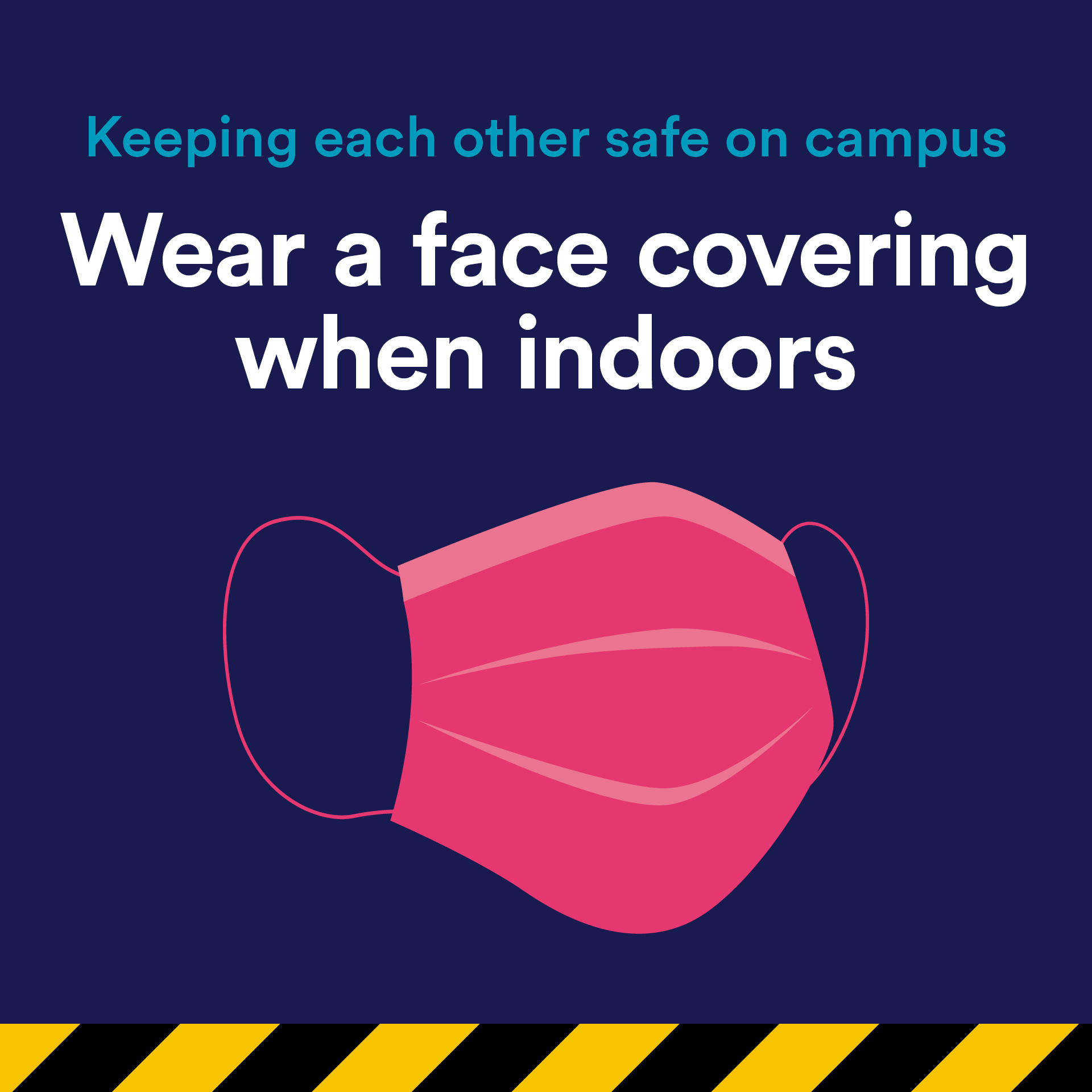
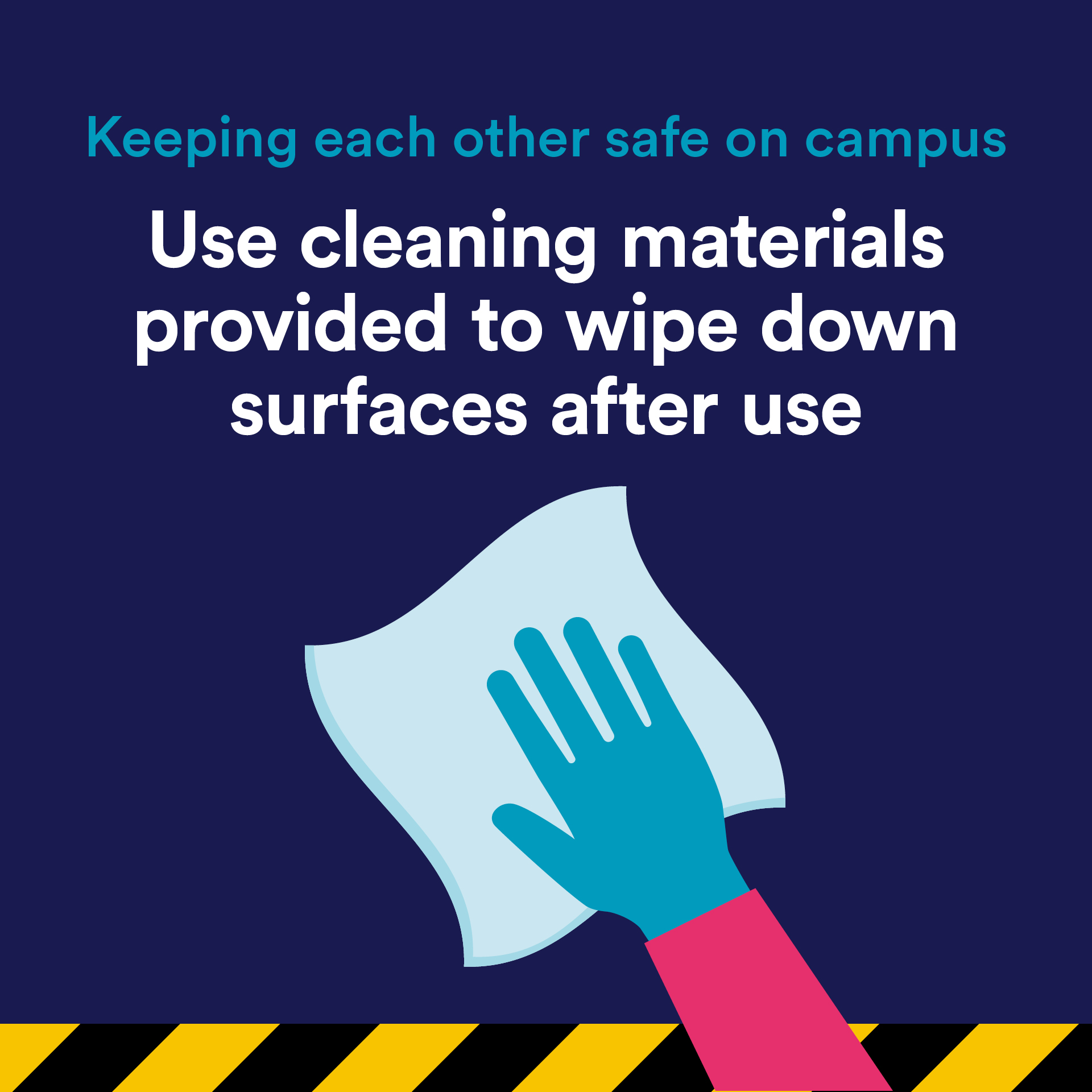
New suite of health and safety messaging available
September 15th, 2020
A new range of digital messaging focusing on health and safety while on campus has been developed and is now available to download from the Recovery Sharepoint.
The digital materials are for use on digital screens across campus, social media, screen savers in lecture theatres or seminar rooms, buses and any other suitable venue.
Visit the Health and Safety section of the Recovery Sharepoint to download.

Tags: COVID-19, health and safety, messaging, signage
Posted in Announcements, News | Comments Off on New suite of health and safety messaging available
Free and subsidised Mandarin courses
September 14th, 2020
The Nottingham Confucius Institute is offering a wide range of free and subsidised Mandarin courses.
Courses are taught by experienced language teachers from Chinese universities and are either free or subsidised by Nottingham Confucius Institute.
Due to the pandemic, all courses are being taught online until advised otherwise. Instructions for joining the sessions will be sent via email following registration.
Free Online Lessons
There are a number of online lessons offered free of charge between October and December 2020. Each course runs for 10 weeks with a one-hour lesson each week.
All are welcome to attend, however if availability becomes limited priority will be given to students and staff from the Nottingham Confucius Institute and the University of Nottingham.
The deadline for applications is Wednesday 30 September and further information can be found on the website.
In addition to the free online lessons, the following subsidised courses are also available:
Evening classes
These courses commence in October, January and May and consist of 10 weekly two-hour sessions.
Courses costs £100 per person and further information is available on the website.
Private Mandarin Lessons
One-to-one tuition for individuals and private tuition for small groups, suitable for people looking for a more flexible way of learning throughout the year.
Private lessons cost £200 for 10 hours and further information is available on the website.
Saturday Courses
These courses commence in October, January and May and consists of 10 weekly two-hour sessions.
Courses cost £100 per person and further information is available on the website.
Tags: learn mandarin, Mandarin, Nottingham Confucius Institute
Posted in Announcements, News, Opportunities | 2 Comments »
Professor Dame Jessica Corner: our resilient researchers are rising to the challenge
September 11th, 2020
As our preparations for the start of the new academic session gather momentum, Dame Jessica shares highlights our latest successes and developments in research.
She writes: “It is also very good to report that we expect our final research-related areas to be opening over the next two weeks. I would like to thank colleagues in these later phases for your patience and generosity to those in other facilities that were prioritised for early return.”
In the months over lockdown, she adds, researchers have submitted record numbers of grant applications, which is testament to their dedication and resilience in such difficult times.
Discover more in the latest COVID-19 update from Professor Dame Jessica Corner, Pro-Vice-Chancellor for Research and Knowledge Exchange.
Tags: COVID-19, professor dame jessica corner, research
Posted in News | Comments Off on Professor Dame Jessica Corner: our resilient researchers are rising to the challenge