

Campus News
Sir Joseph Pope, Engineering pioneer
May 10th, 2013
Sir Joseph Pope, one of the pioneers of Engineering at The University of Nottingham, has died aged 98.
Sir Joseph will be remembered by family and friends as a gifted engineer, for his commitment to technical education for young people and for his integrity and generosity. He died peacefully on 24 March aged 98 at The Firs nursing home in Nottingham, three years after the death of his wife Lady Evelyn, to whom he had been married for 70 years.
Professor Pope was born at Wicken in Cambridgeshire. He was Professor of Mechanical Engineering at The University of Nottingham from 1949 to 1960 and laid the foundations for the success of the Faculty, which today is known for its world-class research and inspirational teaching. He believed that all engineering students should be brought together and taught the fundamental principles, which applied to all branches of engineering. He also believed that the credibility of academic engineers hinged on their aparticipation in the real industrial world.
He established night classes and summer schools for local engineers to update their knowledge of relevant engineering processes. Under Sir Joseph new areas of engineering opened up, including metallurgy, chemical engineering and the study of aeronautics and atomic energy. By the time he left in 1960 the Faculty had been transformed and he had overseen a major building expansion programme including T1, which was named The Pope Building in 1991 in recognition of his contribution to the University.
Sir Joseph also founded TecQuipment at Long Eaton in 1958. Since that time the company has gone from strength to strength, including spawning TQ Ltd, and these companies continue to deliver educational products, projects and training around the world, supporting the engineers of the future.
He went on to become Vice Chancellor of Aston University from 1969-79 and later a director of a number of companies. He was general treasurer of the British Association for the Advancement of Science from 1975 to 1982, a former President of the Nottingham Society of Engineers and was knighted in 1980 for his contribution to education, engineering technology and industry.
Sir Joseph was made an Honorary Graduate of The University of Nottingham in 1987. He also received honorary degrees from the universities of Birmingham, Heriot-Watt, Aston, Queen’s Belfast and Salford.
A service of thanksgiving was held on 17 April at St Andrew’s with Castlegate, Nottingham. Donations can be sent to Macmillan Cancer Support, Unit 11, Lenton Business Centre, Lenton Boulevard, Nottingham NG7 2BY.
Tags: Lady Evelyn Pope, Nottingham Society of Engineers, Professor of Mechanical Engineering, Sir Joseph Pope, TecQuipment, The Pope Building, TQ Ltd
Posted in News | Comments Off on Sir Joseph Pope, Engineering pioneer
Operation Gorilla
May 10th, 2013
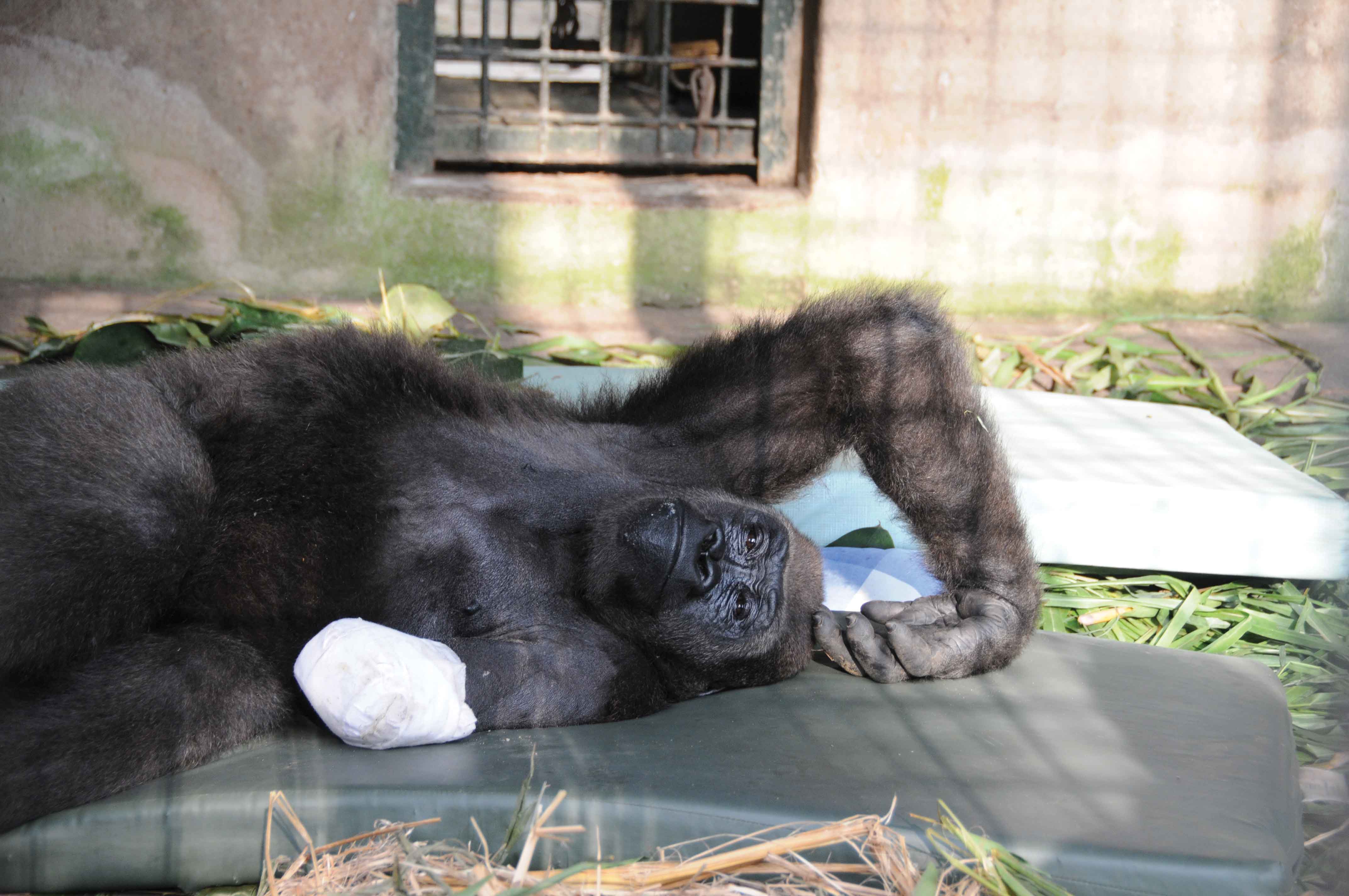
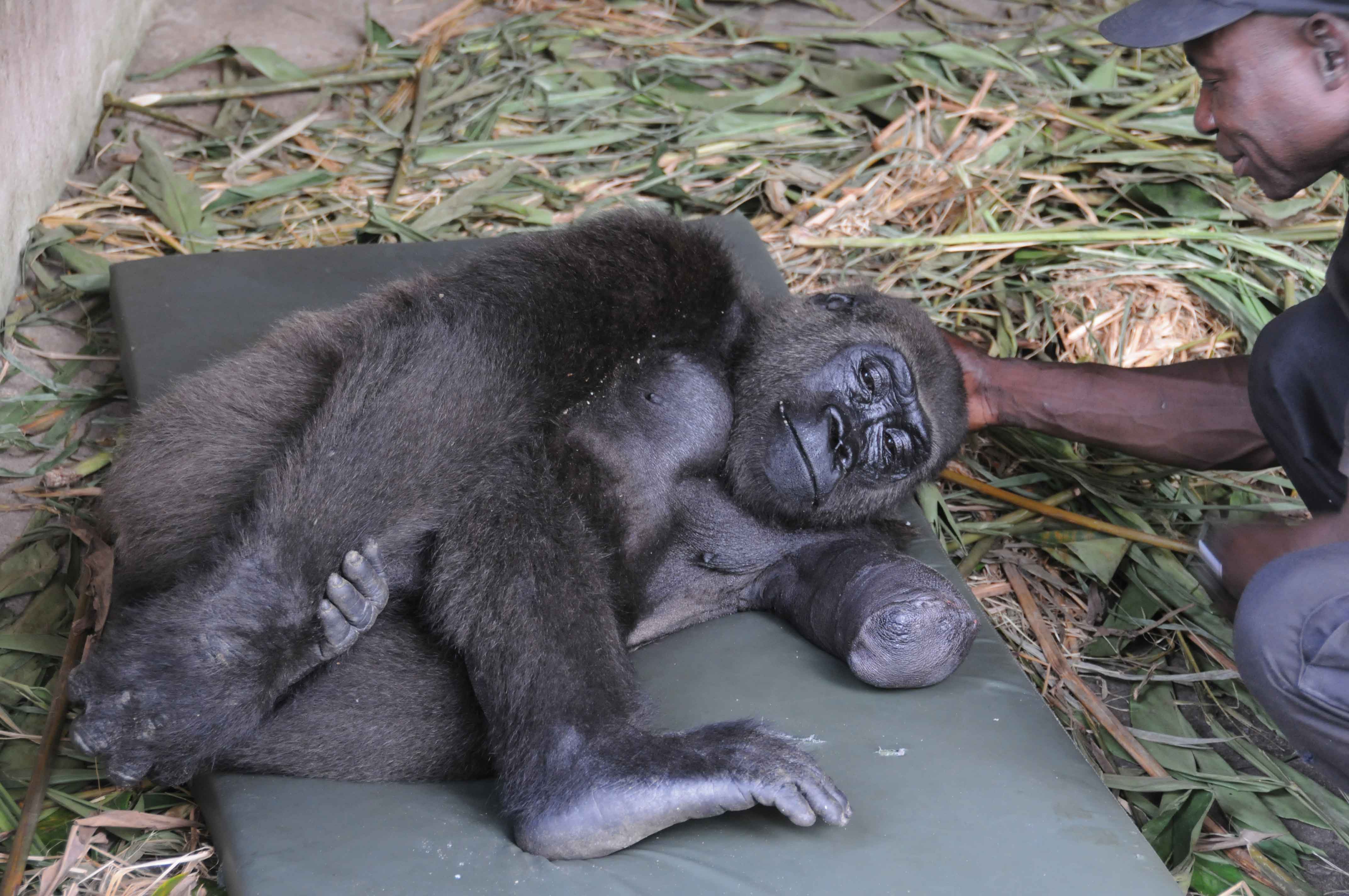
The life of a gorilla has been transformed after an operation carried out by a surgeon from the University’s School of Veterinary Medicine and Science.
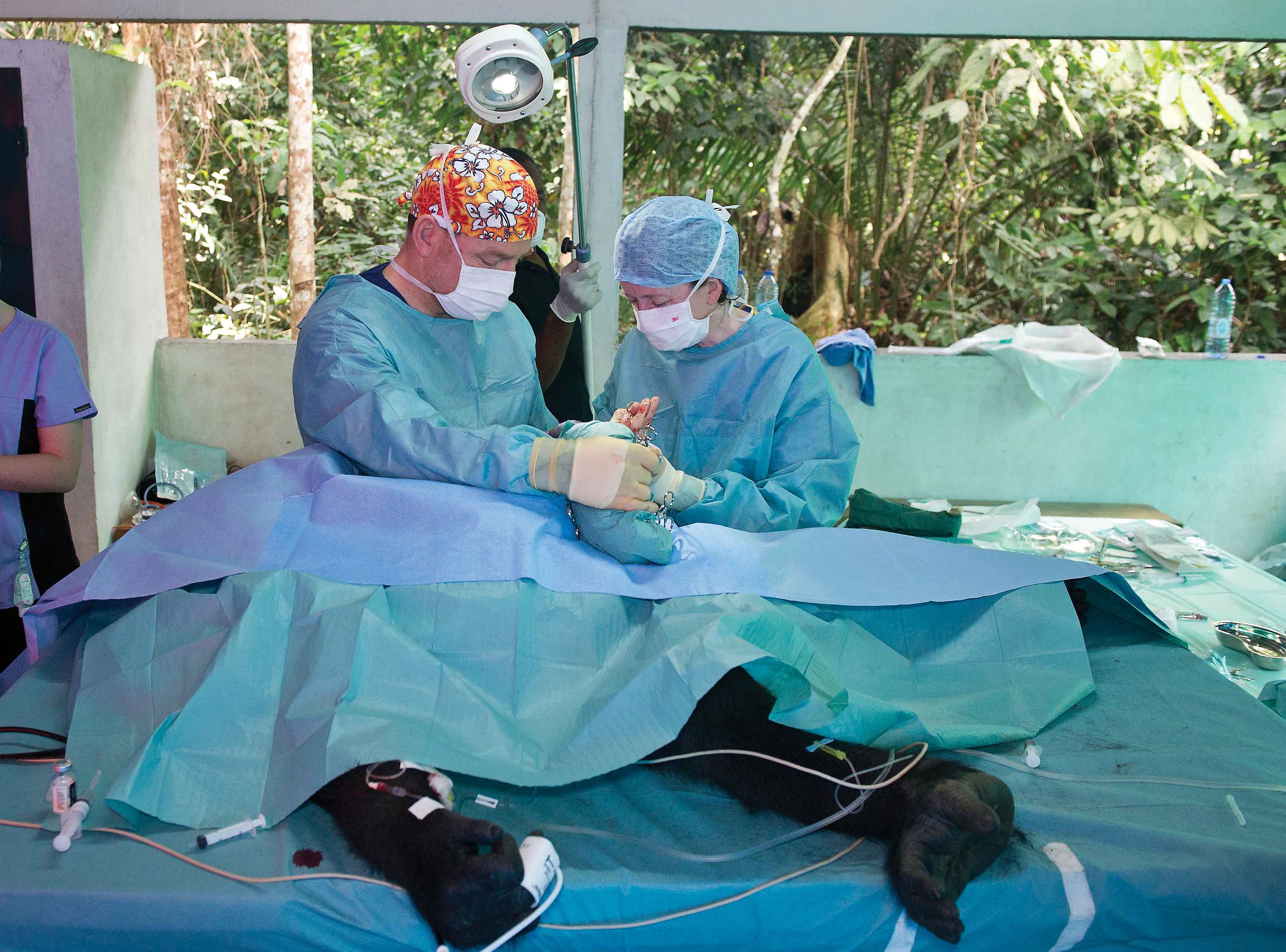
Dr Sandra Corr joined a team of UK vets on their annual visit to Ape Action Africa in Cameroon. The seven-day mission to one of the country’s leading primate sanctuaries was led by Sharon Redrobe, Zoological Director of Twycross Zoo, who is also a clinical associate of the Vet School.
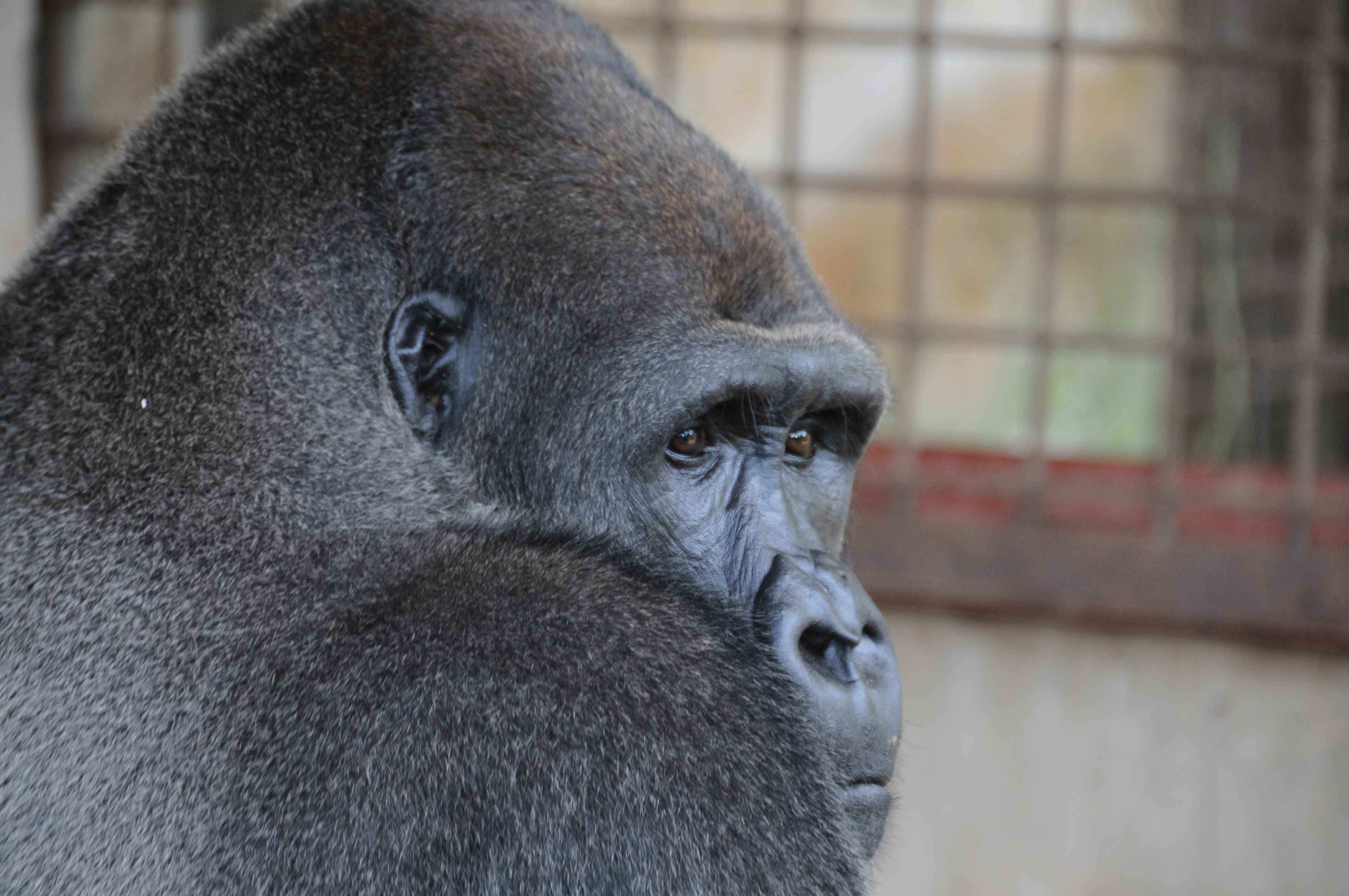
Their primary mission was to perform follow-up surgery on 10-year-old Shufai, who has been living at the sanctuary since he was shot in the wrist as a baby when poachers opened fire on his mother. But pre-surgery X-rays showed the damage to his wrist had worsened and the vets had to make the difficult decision to amputate his arm above the elbow.
The operating theatre at the sanctuary is an adapted school classroom with plastic sheeting for walls, so they had to sterilise all their surgical equipment in the UK and take it over in sealed bags to prevent contamination. Stifling temperatures and high humidity made the working environment difficult and the risk of infection during the three-hour operation was a major concern.
Dr Corr, who had to make the decision to amputate the arm, said: “This was a big change to our original plan. We had intended to straighten the arm but we realised this wasn’t going to relieve the pain he was in. Amputating the arm was a very difficult decision to make but we had to do what was right for Shufai. There was initial disappointment but the operation, in very basic conditions, was a real team effort and a great success — spectacularly so.”
Sharon Redrobe said: “Since returning from Cameroon reports from the sanctuary tell me Shufai is healing well from his surgery, and he has even been spotted in the forest chest-beating with one arm. The speed with which he has adapted shows us he hadn’t really been using the arm for months.”
As well as Shufai’s operation the team also carried out health checks and cardiac ultrasounds on several chimpanzees and silverback gorillas.
Dr Corr said: “This was a very special week, and I was really encouraged not only to see Shufai walking the morning after the operation, but actually able to climb, with surprising ease.”
Twycross Zoo is the World Primate Centre and cares for more than 35 species of primate, many of which are critically endangered in the wild due to poaching and habitat loss. The zoo takes part in European and international breeding programmes and has over 200 species enrolled in captive breeding programmes. The zoo contributes to conservation in the wild through its Conservation Welfare Fund, which since 2006 has contributed nearly £200,000 to more than 40 conservation and welfare projects around the world.
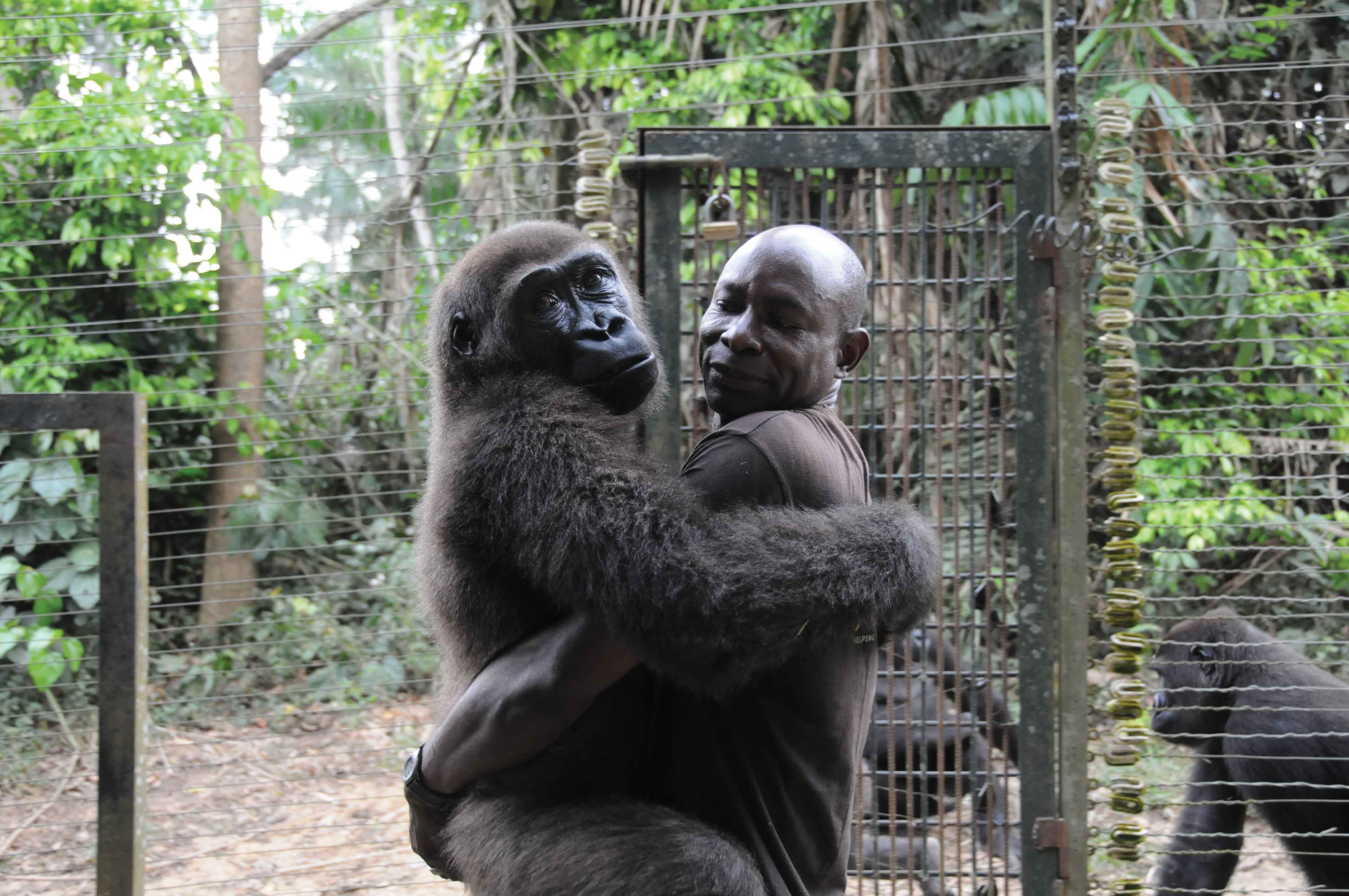
Ape Action Africa works on the front line to address the threats faced by gorillas and chimps in Africa, and works with communities to develop long-term solutions to ensure their survival in the wild.
Visit www.apeactionafrica.org
To see a video of Shufai visit
http://tiny.cc/Shufai
Dr Sandra Corr, Sharon Redrobe from Tywcross Zoo and AAA trust Director Rachel Hogan are raising money to build a small hospital at the Ape Action Africa sanctuary in Cameroon. It will enable vets to offer better care for primates and also to perform operations on animals such as cats and dogs. The hospital will cost around £5,000 to £10,000. To support the appeal, Sandra and Sharon are running the 10k race at the Loch Ness Marathon in September. Rachel is running the full marathon. To support the appeal, visit
Tags: Ape Action Africa, Dr Sandra Corr, School of Veterinary Medicine and Science, Sharon Redrobe, Shufai, Twycross Zoo
Posted in Features | Comments Off on Operation Gorilla
Spotlight
May 10th, 2013
Olympian Tim hangs up his paddle to resume medicine
Former Olympic champion and University alumnus Tim Brabants has retired from his sport to resume his medical career.
The Medicine graduate, who won Britain’s first Olympic canoeing gold in the K1 1,000m race at Beijing 2008, retires as Great Britain’s most successful Olympic canoeist.
By the time he graduated from the University in 2002, Tim had already picked up a bronze medal at the 2000 Olympic Games in Sydney. A gold and bronze medal followed in Beijing, before Tim finished eighth at London 2012.
Now 36, Tim plans to resume a medical career put on hold to allow him to focus on his Olympic dreams.
He led an elite group of canoeists who have graduated from Nottingham and went on the podium at four Olympic Games: 2012 Olympic Champions Etienne Stott and Tim Baillie, and double Olympic silver medallist David Florence.
The University’s Assistant Director of Sport Nigel Mayglothling said: “Tim is one of our most distinguished sporting alumni in our ever-increasing list of high sporting-achievers. He remains an outstanding University ambassador and a genuinely nice guy, always prepared to share his knowledge and strengths to inspire many of our current student athletes.
“Combining medical studies with Olympic success made Tim a beacon for all those looking to balance their studies and sport at Nottingham, proving it can be done at the very highest levels given hard work, talent and our appropriate support.”
Visit: www.nottingham.ac.uk/sport
Rugby Club’s national award for promoting student sport
The University’s Rugby Club has been recognised by the game’s national governing body.
The Rugby Football Union’s President’s XV award recognised a development programme which has seen more male and female students playing, coaching and refereeing the game.
Introduced by the Students’ Union and the Sports Development Department and overseen by University Rugby Coordinator Jeff Mapp, the initiative has seen the University link up three local rugby clubs, and expand intra-mural sport and tag rugby.
Almost 200 students now represent the University in national university leagues and a further 120 players compete in the weekly IMS programme. David Priest (third year Physiotherapy) and Alex Boggis (second year Classics), have also joined the first team squad at RFU Championship side Nottingham.
Share family life with international students
Host UK, a national charity which coordinates stays for international students with families, is appealing for more volunteers to act as hosts.
A number of Nottingham students have enjoyed the hospitality offered though Host UK.
Host UK says offering such hospitality — whether over a day, weekend or perhaps Christmas — promotes international friendship and understanding.
The charity adds that University staff who act as hosts find it a rewarding experience.
Shared academic and other interests are taken into consideration in matching students with hosts.
Visit: www.hostuk.org
t: 020 7739 6292
Tags: Alex Boggis, David Florence, David Priest, Etienne Stott, Host UK, Jeff Mapp, Nigel Mayglothling, Rugby Club, Sports Development Department, Tim Baillie, Tim Brabants, University Rugby Coordinator
Posted in media | Comments Off on Spotlight
Breaking down barriers
May 10th, 2013
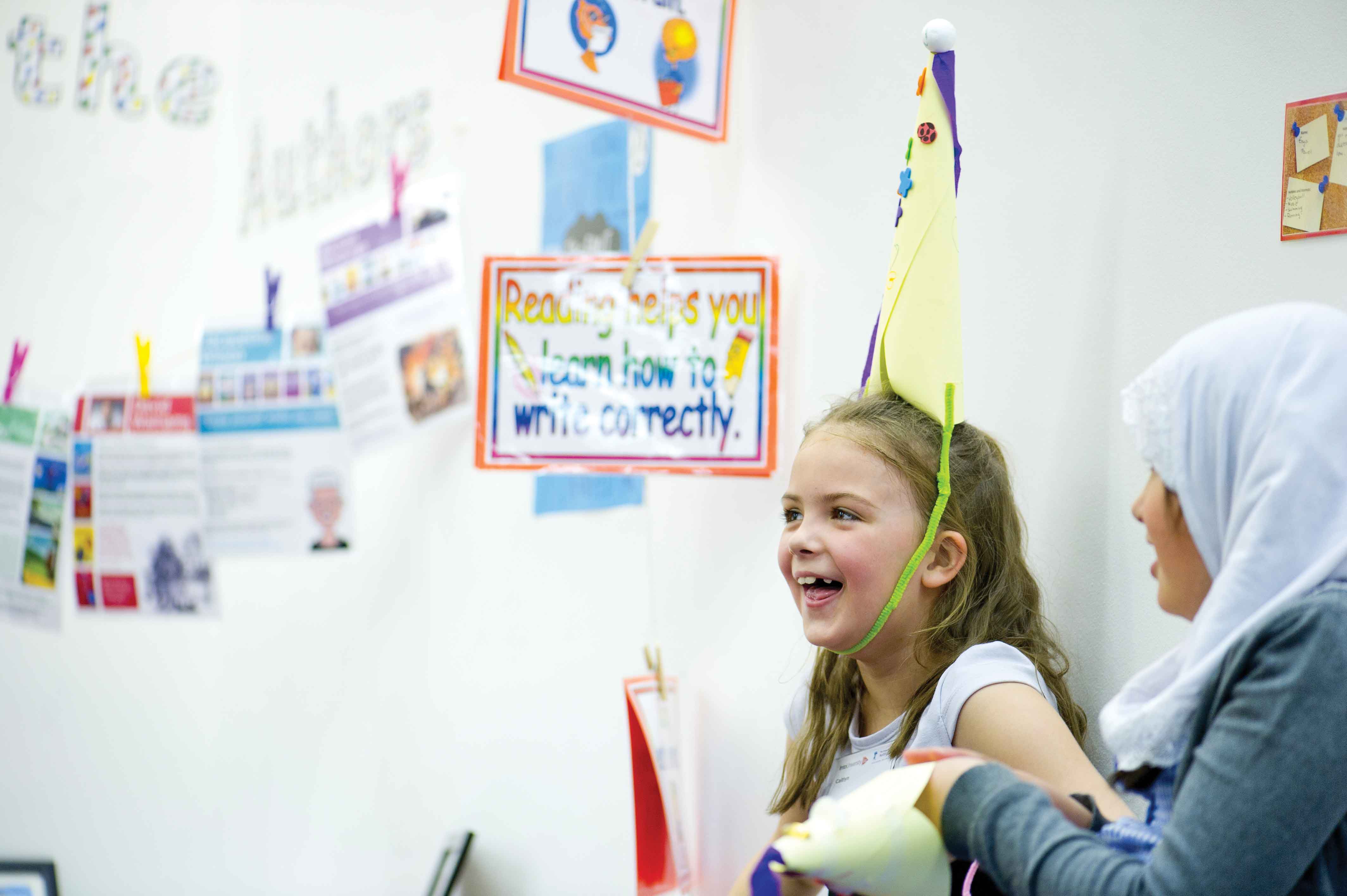

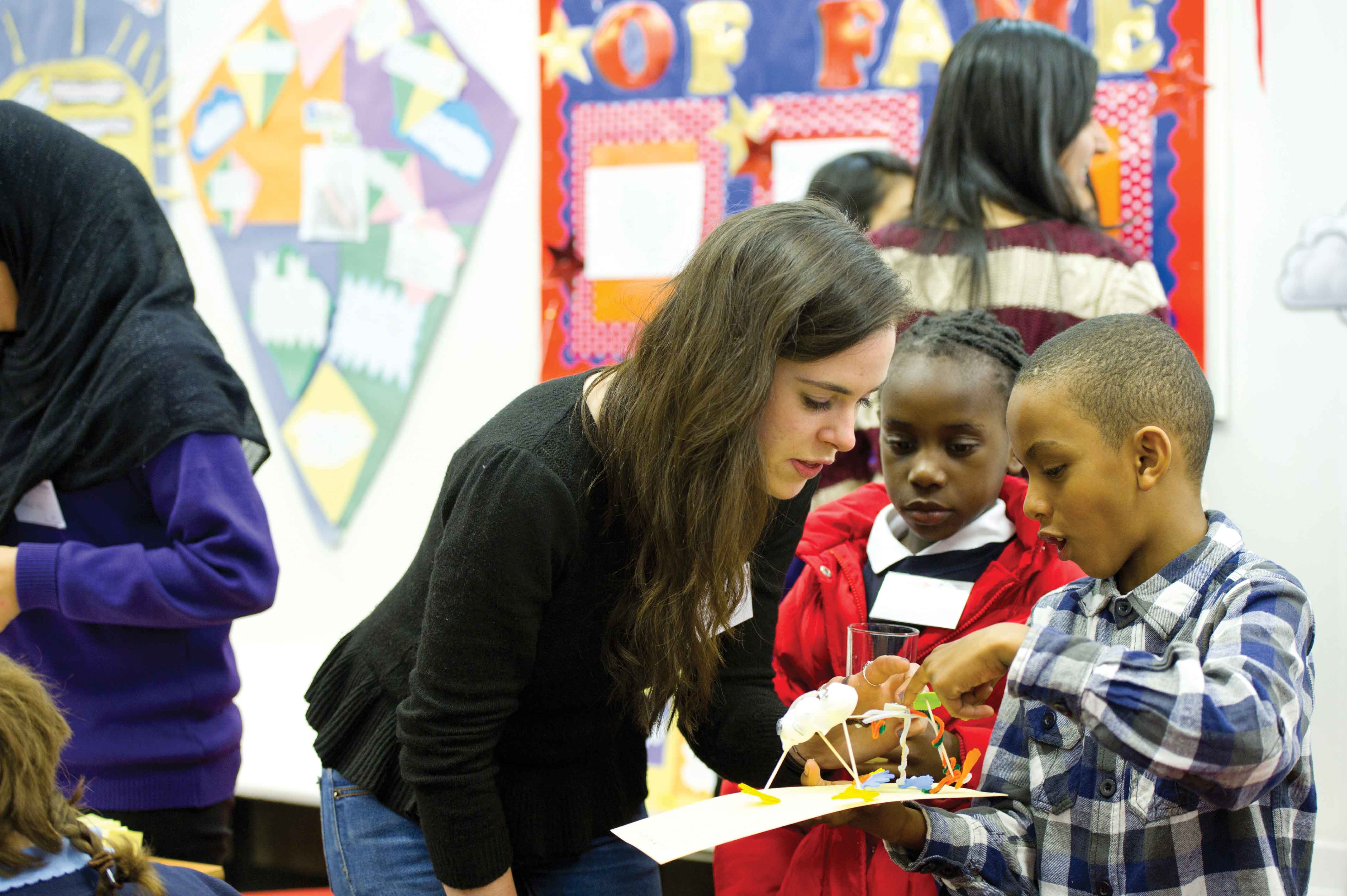

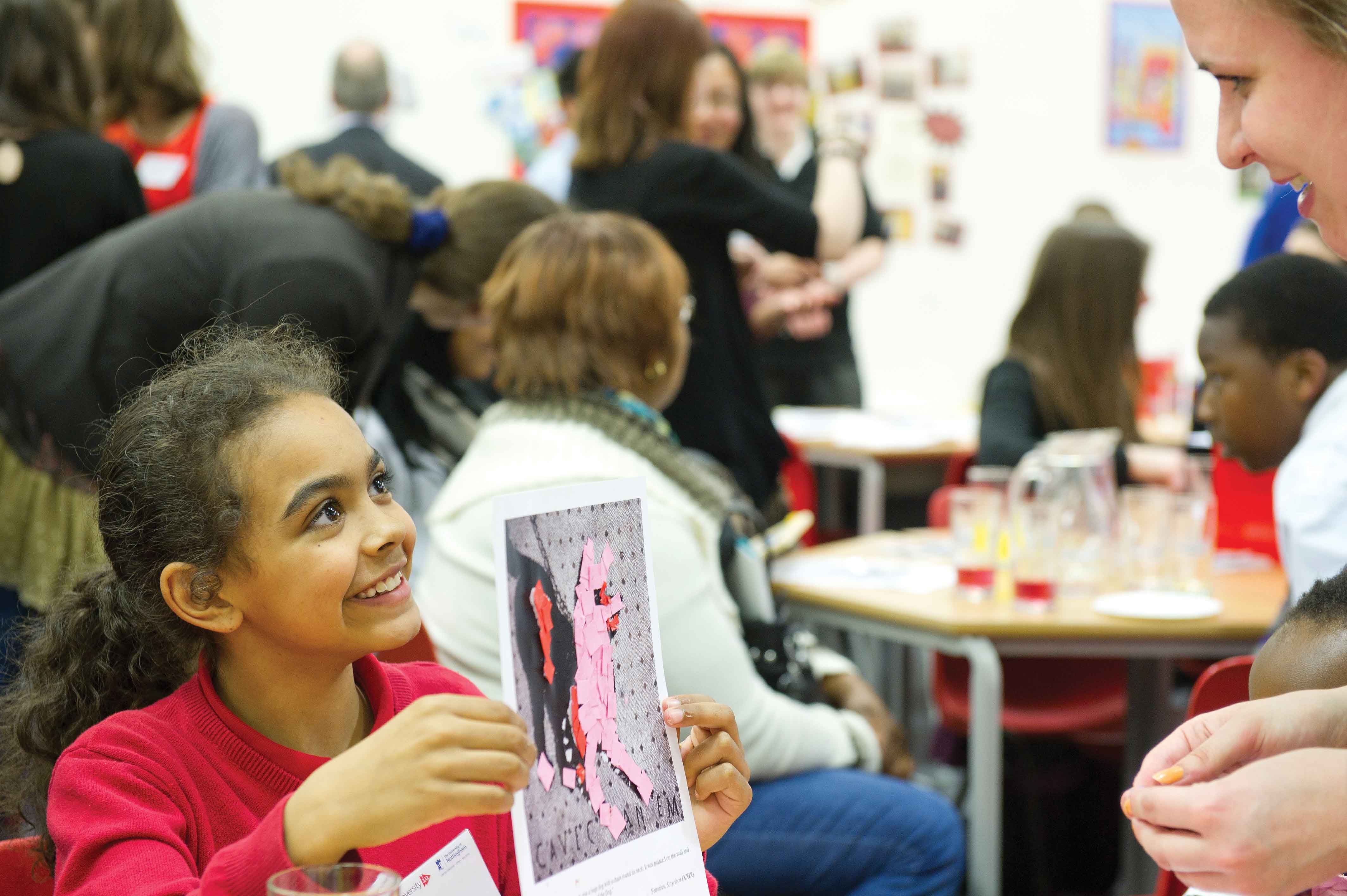
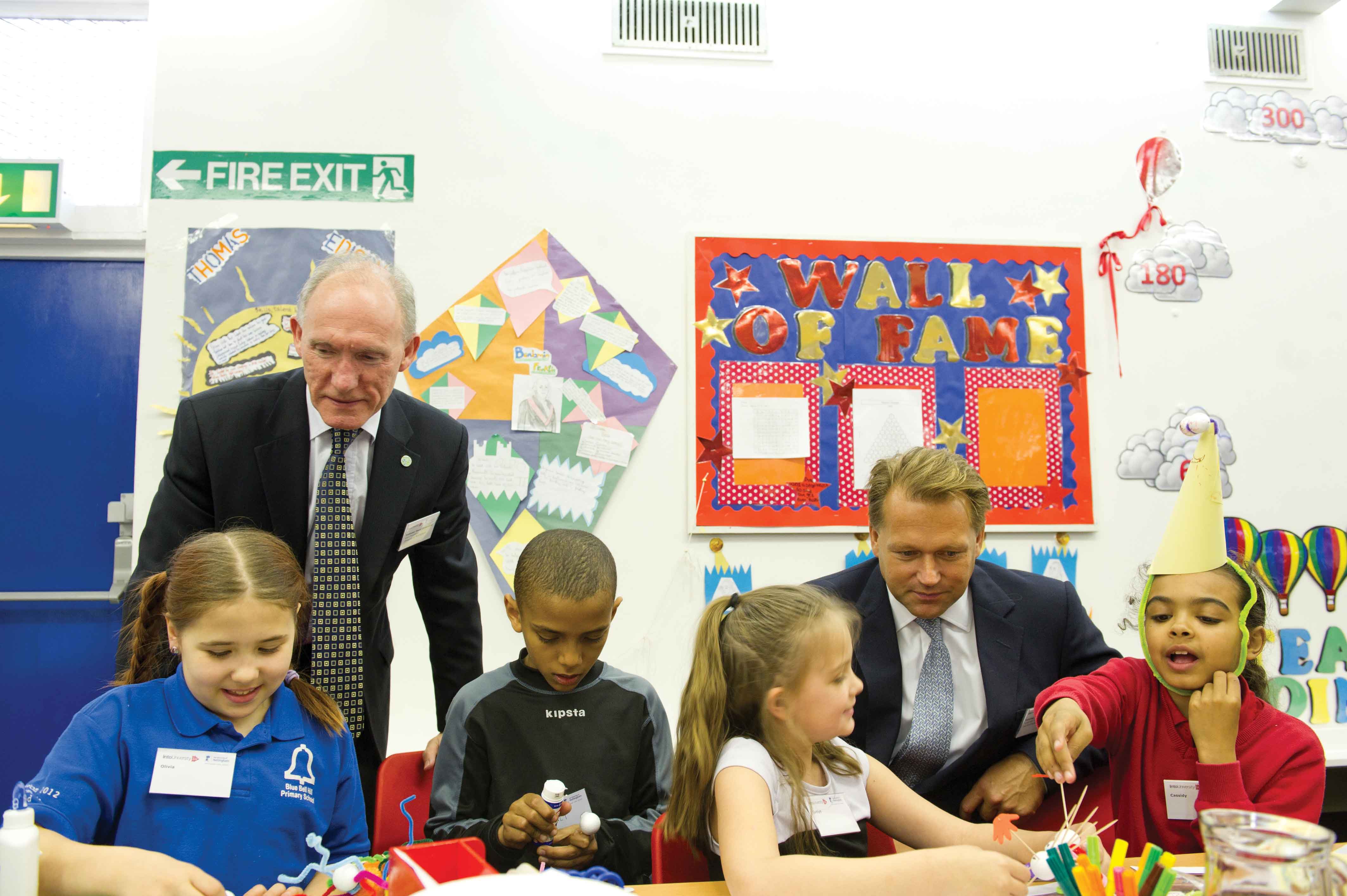
The University of Nottingham has officially launched its second IntoUniversity centre.
The IntoUniversity Nottingham East Centre, in St Ann’s, is part of the Nottingham Potential programme and is dedicated to helping less-advantaged young people in the area to reach university.
The centre represents a multi-million-pound commitment to help break down the barriers to higher education.
Delivered by education charity IntoUniversity in partnership with the University, Nottingham Potential is providing new learning centres in the local community to support pupils from the ages of 7-18, including one-to-one support with homework, literacy and numeracy, coursework, exams, GCSE options and A-levels, careers advice and applications to university.
This is the second of three learning centres to be opened in Nottingham. IntoUniversity Nottingham West in Broxtowe opened in February last year and the location of a third centre will be decided soon. The centres provide a base within the community for long-term, tailored support for young people.
Nottingham Potential has been made possible by a £2.1m donation from the David Ross Foundation, founded by David Ross, Nottingham law alumnus and co-founder of Carphone Warehouse.
The Foundation works with schools and sets up initiatives to increase young people’s aspirations. Its donation enhances the University’s own substantial financial commitment.
Professor Alan Ford, Pro-Vice-Chancellor for Teaching and Learning at the University, said: “We are delighted to open our doors to the St Ann’s community. Following the success of the learning centre in Broxtowe, we are confident that we will be able to expand our support for the children in this area and open up new opportunities for them.
“With the generous help of the David Ross Foundation, Nottingham Potential will continue to raise attainment and encourage progression to university.”
The University has launched Nottingham Potential alongside a significant increase in bursaries for low-income students. Together these developments represent a doubling of the University’s investment in widening participation, from £8m to £16m a year by 2015-16.
Nottingham Potential is part of Impact: The Nottingham Campaign, the largest fundraising campaign in the University’s history. David Ross is co-chair of the Campaign Board.
Mr Ross said: “Following the successful launch of the Nottingham West Centre last year, I am delighted to help mark the opening of this new centre in St Ann’s.
“These centres are providing children with a support network which they can use in order to fulfil any ambition they may have. These aims are central to the mission of my foundation and we are glad to be working with the University on such an exciting project.”
Tags: Carphone Warehouse, David Ross, David Ross Foundation, IntoUniversity Nottingham East Centre, Nottingham Potential, Professor Alan Ford
Posted in News | Comments Off on Breaking down barriers
Torment of the comfort women
May 10th, 2013
The story of comfort women — the women and girls subjected to sexual slavery by the Japanese Army during the Second World War — was the focus of a symposium at the University.
The symposium, featuring a filmed testimony from the survivor of a Japanese military ‘comfort station’, was organised by Department of History PhD student Sachiyo Tsukamoto.
The plight of comfort women remained secret until the early 1990s when survivors broke their silence.
Sachiyo said: “Comfort women were recruited into sexual slavery for the Imperial Japanese Army between 1931 and 1945. I only heard about their story when I was enrolled in a Tokyo branch of a US-affiliated university in 2007.”
She said her views of the war had been shaped by her family’s experience in Nagasaki, where the atomic bomb was dropped on 9 August 1945.
Sachiyo said: “As a second generation ‘Hibakusha’ — survivor of the atomic bomb — I had always thought of our country as a victim and not a perpetrator of wartime atrocities.”
But she says the story of the comfort women changed her life. Sachiyo said: “I’ve learned now that every country has a negative, dark side, to its history and it is time to bring these stories out into the open so the same mistakes cannot be made again.”
One survivor tells how she was forced to ‘service’ up to 30 soldiers every day. She added that some of the ailing comfort women were dumped into a river and drowned.
Sachiyo said: “I think their suffering was beyond imagination. Their life was so cruel.”
Last summer, Sachiyo met survivors in South Korea when she took part in a study tour organised by Toronto ALPHA (Association for Learning and Preserving the History of World War Two in Asia). Flora Chong, the keynote speaker of the symposium, is the co-chair of Toronto ALPHA.
Sachiyo said: “This issue is a very, very sensitive subject. One extremely brave Korean survivor broke the silence in 1991 and unearthed this controversial issue. But this issue isn’t restricted to Japan. Violence against women is an appalling human rights violation but it happens in peacetime in countries across the world.
“I hope the symposium will deepen our understanding of this human rights issue.”
Watch Sachiyo talk about her research: http://tiny.cc/ComfortWomen
Tags: comfort women, Department of History, Sachiyo Tsukamoto
Posted in Features | Comments Off on Torment of the comfort women
Ossie an inspiration
May 10th, 2013
Do you believe in life after stroke?
Since suffering a stroke 13 years ago, Ossie Newell has written four books, made a film, argued with the Health Secretary in Parliament and received an MBE from the Queen. So if you’re looking for an example of life after stroke, you’ve found a living, breathing, campaigning one in Ossie.
Ossie, now 77, had a stroke when he was 64. He’d retired at 50 from his high-flying job at AMEC plc, a multinational construction services, project management and engineering consultancy with a turnover of over £350m a year, and Ossie and his wife Olive planned to enjoy the good life.
And for 14 years, they did just that with long holidays, days pottering in the garden and plenty of time spent with their children and grandchildren. Plus, as he had never been to university, Ossie satisfied an ambition by enrolling in a humanities course with the Open University.
“I loved it! It was so, so different to anything I’d done before,” says Ossie. “I was just writing my final thesis — I’d finished it as a first draft — and I came downstairs and said to my wife ‘that needs to be tarted up a bit’, went into the kitchen to make a cup of tea and BANG… I had a stroke.”
It took nearly six months of hospital treatment and rehabilitation before Ossie was allowed back home. He was in a wheelchair and couldn’t walk, dress properly or feed himself.
“I really did think in those early days that the best thing would be for me to die — and for the family. How wrong can you be? What’s happened to me since has been absolutely unbelievable.”
And this is why Ossie is so passionate about stroke rehabilitation research, which is being supported by this year’s Life Cycle. He has first-hand experience of its benefits. Rehab has taken him from wanting to die to loving life again.
But his recovery hasn’t been easy.
“I think being a sportsman in my younger days helped me to slip in with the recovery of rehab — rather like the Olympians talk about. It took me two years to learn to write again but I’ve recovered 95% use of my arm and hand now.”
And, of course, the effects of Ossie’s stroke weren’t only physical: “In my working life, I was very used to in standing up in front of and meeting people. And I lost all that confidence.”
But his confidence was partially restored by his campaigning: he created Friends of Stroke Services — known as FOSS — before he had even left the Queen’s Medical Centre wards.
Things quickly progressed from there as Ossie got the bit between his teeth and began to campaign more and more for improvements in stroke rehabilitation. Many stroke survivors become isolated once they leave hospital and Ossie doesn’t think this is good enough. And, of course, he’s not done yet.
So many of the great things Ossie has done in his life have come in the last 13 years — in addition to his professional success and his family life — and all because he had a stroke.
“Truth be told, that would not have happened to me had I not been ill, had I not recovered the way I had, and none of that would’ve been possible without research in the past from people I don’t know, who I’ve never met. That’s why I’m so passionate about research.”
So that’s why Ossie is lending his support to Vice-Chancellor Professor David Greenaway and the other cyclists for Life Cycle 3 as they raise funds for stroke rehabilitation research, one of the key priorities of Impact: The Nottingham Campaign. Because, as Ossie proves, rehabilitation can be life-changing and shows that there really is life after stroke.
To find out more about Life Cycle 3’s community events on Sunday 1 September and stroke rehabilitation research at the University, visit http://nott.ac.uk/cycle
There is also a raffle to raise money for the cause. To find out about the great prizes and where to buy tickets, visit http://tiny.cc/LC3raffle
Tags: FOSS, Friends of Stroke Services, Life Cycle 3, Ossie Newell
Posted in Features | Comments Off on Ossie an inspiration
What made them do it?
May 9th, 2013
We can often predict what people are going to do. But is it possible to guess what made them do it?
Psychologists at The University of Nottingham Malaysia Campus (UNMC) believe we can guess what provoked a reaction by simply observing a brief sample of behaviour.
The study — Can People Guess What Happened to Others from Their Reactions? — was conducted by PhD student Dhanya Pillai using eye-tracking technology. The results have been published in the prestigious academic journal PLOS ONE.
The study showed that people are able to infer backwards: successfully deduce from a small sample of behaviour what someone had previously experienced.
Dhanya, who was supervised by Dr Elizabeth Sheppard and Professor Peter Mitchell in the School of Psychology, said: “Putting my acting skills to the test, I performed a range of events and filmed the person’s response. By telling them a joke, paying them compliments, or keeping them waiting, I set out to provoke a variety of reactions. It was crucial that they didn’t know the events were staged. They believed that they were waiting for an experiment which had not started so we were able to capture their natural reactions.”
Thirty-five volunteers guessed what had happened to the people in the videos. Although the videos were only seven seconds long, participants correctly identified the event in the majority of cases.
Dr Sheppard said: “The people Dhanya filmed responded to the same event in a variety of different ways — so on receiving a series of compliments, some laughed, some looked confused and others looked embarrassed — yet volunteers watching the videos were able to figure out that they were responding to the same event.”
Dhanya said: “To succeed in this task, it was necessary to retrodict, that is, to reason backwards from behaviour to infer a situation that had already happened.”
Dhanya recorded the eye movements of participants as they watched the videos to analyse their decision-making process. She had expected the volunteers to look more at the eye region to gauge the person’s reaction. But using varied eye movement proved more effective.
Dhanya said: “Although some previous research has implied that the eyes have a special significance for mentalising, it was surprising to find that looking at the eye region was not associated with superior identification of the event; instead our findings indicated that the eye movement strategy varied according to the reaction seen in the video.”
Dhanya aims to develop a paradigm for reasoning people’s mental states in real situations.
The research might also help us discover how we flexibly understand the behaviour of others, even where it departs from how we would be inclined to act ourselves.
Tags: Can People Guess What Happened to Others from Their Reactions, Dhanya Pillai, Dr Elizabeth Sheppard, PLOS ONE, Professor Peter Mitchell, School of Psychology, The University of Nottingham Malaysia Campus, UNMC
Posted in Research | Comments Off on What made them do it?
Life Cycle 3 gears up
May 1st, 2013
This year’s Life Cycle challenge will see the University’s 12-strong team ride over 1,100 miles in aid of stroke rehabilitation research.
Led by Vice-Chancellor Professor David Greenaway, they will take in Edinburgh, Belfast, Dublin, Cardiff and London between Monday 19 August and Sunday 1 September. The ride starts and finishes at University Park, where there will be a community day to welcome the return of the team.
Health and wellbeing is a key theme of Impact: The Nottingham Campaign, the University’s £150m drive to change lives, tackle global issues and shape the future. The money raised from Life Cycle 3 will support stroke survivors after they leave hospital and stop them becoming isolated or housebound. About 130,000 people in the UK suffer a stroke each year. It is the most common cause of death after cancer and heart disease.
Last year’s Life Cycle raised funds for Nottingham Potential, which helps less advantaged young people reach their academic potential. The first Life Cycle in 2011 supported the University’s Sue Ryder Care Centre for research on supportive, palliative and end of life care.
Professor Greenaway will be joined by some new riders including stroke rehabilitation expert Professor Marion Walker MBE.
Professor Greenaway said: “Stroke rehabilitation research is not glamorous laboratory-based research, but is patient based, often qualitative, and can be more complex because of its reliance on therapists. However, as a reason for undertaking Life Cycle 3 it is deeply motivating – improving the wellbeing and quality of life of stroke survivors through rehabilitation is a growing challenge.
“This year our journey will take us to the five capitals of the United Kingdom and Republic of Ireland, including some major cities along the way. We will face some demanding terrain over the 1,100 miles, but starting and ending in Nottingham will be a big thrill, especially finishing on the Community Day on Sunday 1 September.
“The team has been overwhelmed with the support received for the last two Life Cycles, and I hope it will be the same this year.”
Professor Walker said: “Stroke rehabilitation research is my lifelong passion. Stroke not only affects individuals in a cruel and often devastating way but has a significant impact on the lives of their carers and friends.
“I have been working in this area for the whole of my career and have seen the positive impact that our research can make on individual’s lives. It is fabulous to know that our work is helping shape the services and treatments that stroke survivors and their families receive. This is why I am prepared to get on a bike again… for the first time in 40 years!”
Visit: http://nott.ac.uk/cycle3
Tags: Impact: The Nottingham Campaign, Life Cycle 3, Professor Marion Walker, stroke rehabilitation research
Posted in News | Comments Off on Life Cycle 3 gears up