

Campus News
New chair for Research Integrity and Research Ethics Committee
August 7th, 2020
Professor Penny Gowland has been appointed as chair of the University Research Integrity and Research Ethics Committee.
Professor Gowland succeeds Professor Dame Jessica Corner in the role. Dame Jessica, Pro-Vice-Chancellor of Research and Knowledge Exchange, said: “Penny brings a wealth of experience to this role and is highly regarded and respected as a scientist and a leader. She has chaired a wide range of committees within the School of Physics and Astronomy, the University, and national and international organisations.”
Professor Gowland said: “I am delighted to be appointed chair of the committee and thankful to Professor Dame Jessica Corner who chaired and led the establishment of this committee over the past year. These are exciting and important times as the field of research integrity and ethics is evolving rapidly, both nationally and internationally. I am looking forward to working with colleagues to strengthen the University’s research integrity and ethics infrastructure, building on existing resources and lessons learnt from the past.”
She added: “Research integrity must be embedded even further in the culture of our world-leading, research-intensive institution, and we have a responsibility to ensure that our alumni take this ethos forward into the world. I will take this opportunity to ensure a culture whereby all members of the University are actively engaged in this area.”
Find out more about research ethics and integrity, including:
- updated contact information and resources for researchers
- new Research Integrity Bytes (one pagers addressing common issues and questions raised by researchers in all fields)
- two new video presentations for researchers on Introduction to the Code of Research Conduct and Research Ethics and Introduction to International Research and Research Ethics
Tags: code of research conduct and research ethics, Professor Penny Gowland, research ethics, research integrity, Research Integrity and Research Ethics Committee.
Posted in Announcements, News | Comments Off on New chair for Research Integrity and Research Ethics Committee
Update from Professor Dame Jessica Corner: on track to open major research facilities by September
August 7th, 2020
In her latest blog, Professor Dame Jessica Corner confirms that the University is on track to reopen all our major research facilities by the beginning of September.
This is the result of tremendous hard work and a team effort in the truest sense, with colleagues coming together to tackle an unprecedented and complex challenge.
Research activity is being scaled up, allowing further projects and programmes to recommence, and enabling growing numbers of researchers and postgraduate research students to return to both on-campus activity and field studies.
Discover more in the latest COVID-19 update from Professor Dame Jessica Corner, Pro-Vice-Chancellor for Research and Knowledge Exchange.
Tags: COVID-19, professor dame jessica corner, research, Research and Knowledge Exchange, research update
Posted in Announcements, News | Comments Off on Update from Professor Dame Jessica Corner: on track to open major research facilities by September
Associate Professor awarded National Teaching Fellowship
August 7th, 2020
Sarah Westwater-Wood, an Associate Professor from the School of Health Sciences, has been awarded a National Teaching Fellowship following a highly competitive and rigorous selection process.
The awards are the most prestigious available to teachers in UK higher education and recognise excellent practice and outstanding achievement.
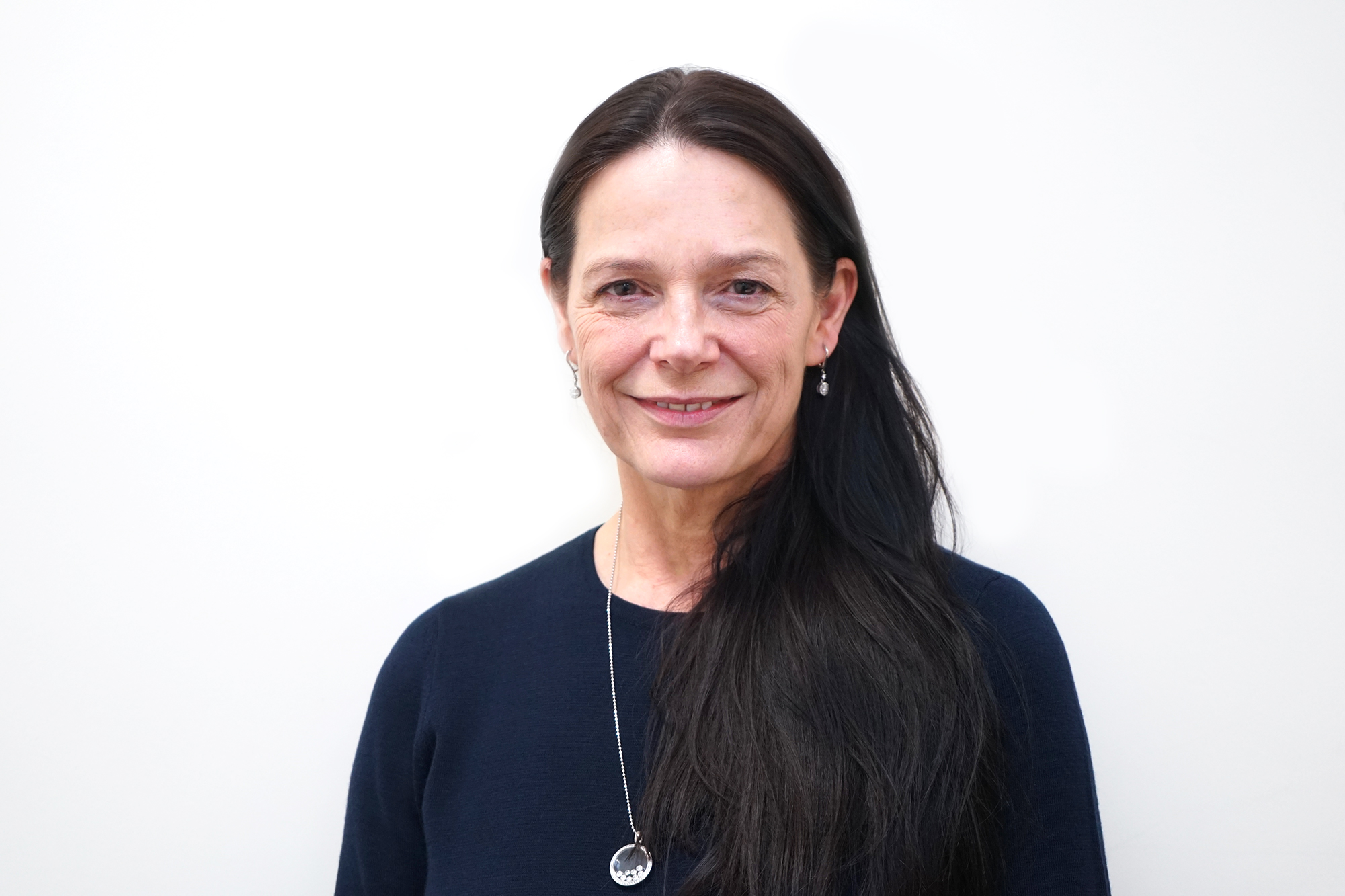
Sarah joined the University in 2003 as an Assistant Professor before progressing to Associate Professor and Director of Assessment for the School of Health Sciences. Prior to moving into higher education, Sarah qualified as a clinical paediatric physiotherapist specialising in paediatrics.
As an Assistant Professor, Sarah has led innovative teaching and assessment practice projects to support student learning and feedback whilst demonstrating passion for advancing stimulating resources and experiences to trigger students’ curiosity. Achievements include a reusable e-learning case study which uses gaming principles to prompt critical thinking developments. This has been valued by students and clinical colleagues where it has been used nationally as an inter-professional postgraduate induction tool.
As the Director of Assessment for the School of Health Sciences, Sarah has led a number of whole-unit student-staff partnership working change projects, including whole progamme TESTA audits and co-design of assessment materials.
Sarah’s approach in leading innovative teaching practice and whole-unit change, centres upon the principle that it is all about people and their experience, not only of processes and projects, but of informing, understanding and having a meaningful influence upon the shape of them. Her facilitative approach draws from the experiences and knowledge of others to influence and shape developments. Sarah’s listening, empathy and authenticity have been cited as her key leadership strengths.
Sarah said: “I am so very honoured to receive this award. I am very grateful for the support of colleagues and the opportunities offered by the University of Nottingham which have allowed me to think differently, to challenge and realise my passion for learning facilitation.”
Due to the coronavirus, the 2020 award ceremony has been postponed and will be combined with the 2021 ceremony in October 2021. There will, however, be an online celebration during the week commencing Monday 28 September, following which copies of certificates will be sent by post and e-versions sent via email.
Tags: Advance HE, National Teaching Fellowship, School of Health Sciences
Posted in News | Comments Off on Associate Professor awarded National Teaching Fellowship
Conference and Training Care Fund expanded
August 5th, 2020
The Conference and Training Care Fund has been expanded by the Equality Diversity and Inclusion Committee.
This Athena Swan initiative was set up in 2016 to support personal training and career development for those with caring responsibilities for children, elderly relatives and other dependents. It enables staff to claim back additional costs incurred for the care of dependents as a result of attending work-related training and development events.
Key Changes
The fund previously enabled employees to claim for care expenses incurred for the care of dependents by a registered care provider whilst they attend development events.
In response to the uptake of the scheme over the last two years, the fund has now been further expanded by the University’s EDI Committee to include support for employees looking to claim for the travel and/or accommodation of their dependent and, if appropriate, a secondary carer, to accompany them to work-related training and development events. For example, an employee could claim the cost of a train ticket for their child to accompany them to a development event if they are unable to arrange alternative childcare. Employees may be liable to pay tax on travel and accommodation expenses.
Further information
More information on tax, updated guidance, associated flowchart and authorisation form is available on the Conference and Training Care Fund web page.
For further queries about the Conference and Training Care Fund please contact pd@nottingham.ac.uk.
Tags: Carer, conference and training care fund, Diversity and Inclusion, edi, equality
Posted in News | Comments Off on Conference and Training Care Fund expanded
Deputy Vice-Chancellor’s blog: Re-opening the Vet School – a personal perspective
August 4th, 2020
This week, Clinical Assistant Professor in Clinical and Professional Skills Dr Sarah Cripps writes about her experiences in preparing the Vet School for reopening and welcoming students back for in-person teaching last week.
Last week was a special week at the Vet School, as we welcomed our April cohort of first year students to campus and began their in-person teaching. We know this cohort through remote learning since they ‘arrived’ for Freshers at the end of March, with hours spent on Teams teaching them the mysteries of Animal Health and Welfare and the Neurological and Muscular systems.
The main activity on the first day was an orientation tour of the Vet School teaching areas. The COVID restrictions have meant that the already convoluted corridor systems and the confusing names to the various rooms are even more likely to result in lost students, as there are now strict one-way routes in place. Clear signage helps, with regular reminders to wear face coverings, stay in household groups, apply hand-sanitiser, place used protective clothing in specified areas, and avoid two-way traffic in the corridors by following the specified routes.
I was pleased to be able to conduct the tours, as I am now familiar with the new routes and where to direct students to for their teaching. This also meant I was able to meet some of the students. I have missed our students and the practical teaching and so as we wandered through the various circular routes in and out of the Vet School and animal handling facilities, we were able to chat about how remote learning has worked for them, what they thought of their flats, and how much they were looking forward to practical sessions.
Three days later, I donned my mask, gloves, lab coat and visor and shut myself in the rodent room, to teach small household groups of approximately five students animal handling sessions with our very lively rats, mice, and gerbils. They also handle rabbits and guinea pigs, and bearded dragons and snakes with my colleagues in these sessions; other stations over the five-week course are with horses, dogs, and farm animals. By completion, every student will have handled every species and hopefully be competent and confident for future opportunities. It was a hot little room and an intensive teaching session, but it was very enjoyable. The students had done all the pre-reading and were calm and confident handling the animals. They had had a dissection session earlier in the week and I asked how it had gone. Every student I spoke to was overwhelmingly positive, many said ‘it all makes sense now I have seen it in three dimensions’ and ‘it was so good to finally be able to draw our learning together by working with a real specimen’.
The need to bring our April cohort back earlier than most courses meant we were always going to have to be very proactive in finding a safe way in which to do so. Additionally, the nature of the veterinary course and the style of delivery at Nottingham Vet School poses problems due to the close working environment in the numerous practical sessions. As the momentum to return our first years gathered, we created a series of timetables and potential ways of safe delivery; many early iterations were abandoned as guidance changed. This was frustrating, especially as at the same time ongoing work was needed to rewrite teaching material for remote delivery. University level meetings gradually morphed into School level meetings then teaching group meetings as the guidance was finalised and approved, and the logistical details were determined for every taught session. Patience and effective team working have been essential and all the staff here have risen to the challenge.
When we work together in person, conversations are natural and spontaneous, around the kettle in the staff room, or in the corridor walking to and from meetings. We know how our colleagues are feeling and can act to help if they seem overloaded. The move to scheduled timed online meetings has taken these unplanned interactions away and checking in personally on one’s close work colleagues has never been more important. If someone reacts differently in an email, or seems less helpful than usual, it may just be that they are struggling to find a way through the confusing working situation. Good relationships with work colleagues have been invaluable; I intend to continue trying to find ways to nurture them remotely, to have virtual coffees where we don’t discuss work, and ask how their kids, pets, or partners are.
This new week is intense for the first years. I am looking forward to a busy yet rewarding and exciting week as I play my own part in teaching live dog clinical examination and ultrasound practicals to the whole year, in small groups of socially distanced students. I am so pleased that I can do this safely on campus, in-person, with the teaching animals and proper equipment – and so thankful to all the University colleagues who have made this possible.
Tags: blog, deputy vice chancellor, Dr Sarah Cripps, recovery, recovery blog, Recovery Group, Vet School
Posted in Announcements, News | Comments Off on Deputy Vice-Chancellor’s blog: Re-opening the Vet School – a personal perspective
Applications open for Leadership and Management 2020/21 core programmes
August 3rd, 2020
Applications for the 2020/21 Leadership and Management core programmes are now open.
COVID-19 has impacted every aspect of our lives and colleagues across the University continue to navigate through uncertainty and complex change. This means that leadership and management skills have never been more important and many leaders and managers have faced personal and professional demands that they have never experienced before.
The LMA programmes have been developed to help leaders and managers build the confidence and capability to lead and manage teams through these difficult times and beyond. Joining one of the programmes will help you to be more comfortable not knowing all the answers, help you to understand the wider context in which you lead and build the personal and professional resources to be able to pass on energy, confidence, trust and a shared purpose to the people you lead.
The core programmes can provide you with the space, time and support to focus on your own leadership practice and develop a great network of like-minded colleagues.
The delivery of these programmes has been adapted to the times we’re in, so you’ll access the offer online via Microsoft Teams and other tools. As part of each programme you’ll take part in workshops, coaching, 360 feedback and support to bring your learning back to your workplace.
The core programmes provide focused development for leaders and managers, at all levels. The Executive Leadership, Senior Leadership, Operational Leadership and Stepping into Leadership are available and open for application now. The deadline for applications is Sunday 20 September 2020.
You can find out more and apply at the LMA Development Programmes [Moodle log-in required] pages.
Webinars designed to support leaders and managers through COVID-19 are also continuing to be run. These have been created in response to specific University, faculty, school and departmental needs. You can access the webinars and join colleagues from across the University as topics such as staying connected, returning to campus and much more are tackled.
The LMA also continues to offer coaching and mentoring opportunities for all staff, along with guidance on job shadowing for those who wish to develop their skills and/or career.
You can find a wide range of online resources on the LMA Hub that give you the opportunity to develop at a time and pace that suits you. These include specially selected articles, books, videos, diagnostics and interactive tools that can help you with your development.
However you choose to develop your leadership practice, the Leadership and Management team are here to support you.
Tags: development, growth, Leadership and Management Academy, learning, LMA, webinars
Posted in Announcements, News, Opportunities | 2 Comments »
Academic Promotions 2019/20
August 3rd, 2020
The University has confirmed the results of the 2019/20 promotions round for our academic community. 150 colleagues have secured promotion to Professor, Associate Professor, Principal Research Fellow, Assistant Professor and Senior Research Fellow.
The Vice-Chancellor and University Executive Board members extend their warmest congratulations to colleagues across the University. You can see the full list of promotions here.
Vice-Chancellor Professor Shearer West congratulated everyone who has secured promotion this year. She said:
“I am very pleased that the talent of our academic community is recognised in this way and wish to congratulate every colleague who has secured promotion this year. Promotions have been secured on merit across a wide range of disciplines, schools and faculties, and are testament to the quality and commitment of our colleagues engaged in research and teaching.”
Analysis of this year’s promotion round shows that the number of colleagues from minority ethnic backgrounds securing promotion increased by 4 percentage points to 16.7% of all promotions – rising from 19 individuals in 2018/19 to 25 in 2019/20.
Professor West added:
“I am particularly pleased to note further increases in the proportion of colleagues from black and minority ethnic backgrounds who have been promoted. This will support our continued drive to ensure that our University recognises, supports and benefits from the contribution of our talent wherever it is found.”
Tags: academic promotions, staff
Posted in Announcements, News | Comments Off on Academic Promotions 2019/20
Professor Sarah Sharples joins Athena SWAN Governance Committee
July 30th, 2020
Professor Sarah Sharples, Pro Vice-Chancellor for Equality, Diversity and Inclusion (EDI) and People and Professor of Human Factors, has been announced as a member of the new Athena SWAN Governance Committee.
The Committee has been formed to provide assurance, expert advice and guidance to the Advance HE Board on matters relating to the transformation and ongoing enhancement of the Athena Swan Charter, as recommended by the Independent Review of Athena Swan.
Committee members are highly credible leaders in the field of equality, and have either strategic or practical involvement in Athena Swan in their institution or region. Having experienced the issues identified by the review, they are deeply committed to improving the quality and impact of the Charter and will monitor and ensure the transformation progress is in line with the recommendations of the review, reporting to the Advance HE Board.

Sarah has worked as an academic in the Faculty of Engineering since 1998 and along with colleagues achieved the first Athena Gold awarded to an engineering faculty in 2020. She first led the writing of an Athena Swan application in 2008 and so appreciates how a focus on data, feedback from staff and students, clear setting of actions and capture of impact can help to make real advances in gender equality and EDI.
As Pro Vice-Chancellor for EDI and People, Sarah takes strategic leadership over the ongoing work to advance EDI at the University of Nottingham. She is also a member of the Engineering and Physical Sciences Research Council where she chairs the EDI Strategic Advisory Group.
Following an open national call, the Committee membership has been configured with representation from across the sector ensuring that Advance HE members are at the heart of the transformation of Athena Swan. Working with not only the Advance HE Board, the new committee will collaborate with Advance HE’s existing EDI and Peer Review Quality Committees ensuring efficient and effective sector oversight of Athena Swan.
Sarah said: “I was pleased to see the outcome of the recent review of Athena SWAN, and am keen to work with this committee to implement the recommended changes. I look forward to working with Advance HE and sector colleagues to deliver action which will ensure that Athena SWAN acts as an active stimulus for accelerated change to address barriers to career progression, to recognise intersectionality, and to ensure that the Athena SWAN charter meets the needs of the sector as a tool to enhance implementation of EDI strategies in academic and research settings.”
The ambition is for the new charter process to be published at the end of 2020. The Committee will work with the Athena Swan transformation team to layout a transition period and practical support to help members move from the old process to the new process in a way that supports members’ work.
Tags: Athena SWAN, Diversity and Inclusion, edi, equality
Posted in News | Comments Off on Professor Sarah Sharples joins Athena SWAN Governance Committee
Help tell the story of the coronavirus and UoN – call for content
July 30th, 2020
A few weeks ago, we asked staff and students to submit photos, videos and anecdotes that help tell the story of the University during the pandemic.
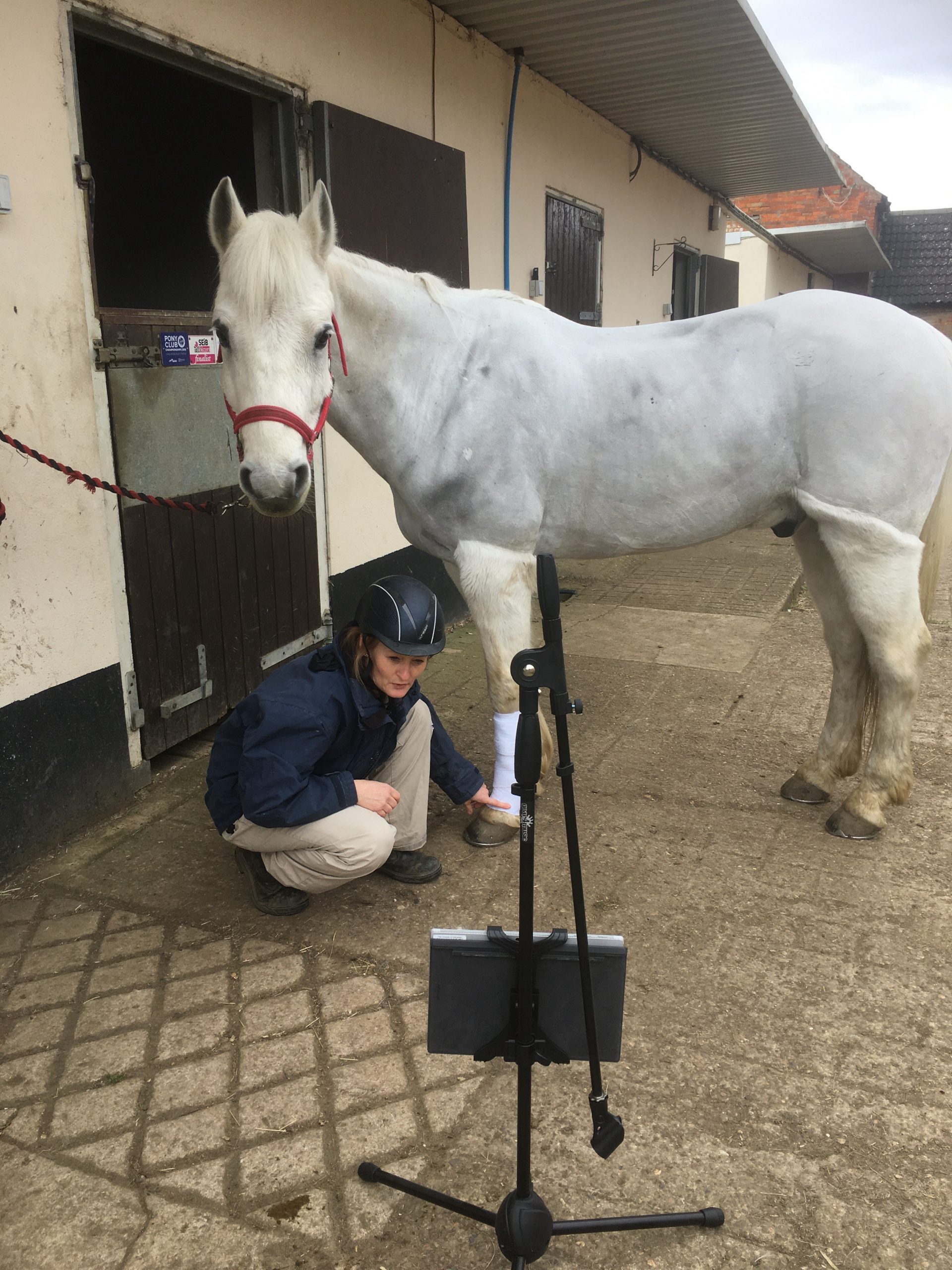
Since then, we’ve had a brilliant response, with screenshots and stories of pets at work, quirky Teams meetings and new and unorthodox ways of working – thanks to everyone who’s sent in content so far, but we’re not done yet! We need more snapshots, videos and stories of how you’ve been working during lockdown.
-
- Professor Sarah Freeman teaching a class from home using Teams
-
- Matt Orton and the Support and Wellbeing team in a Teams chat
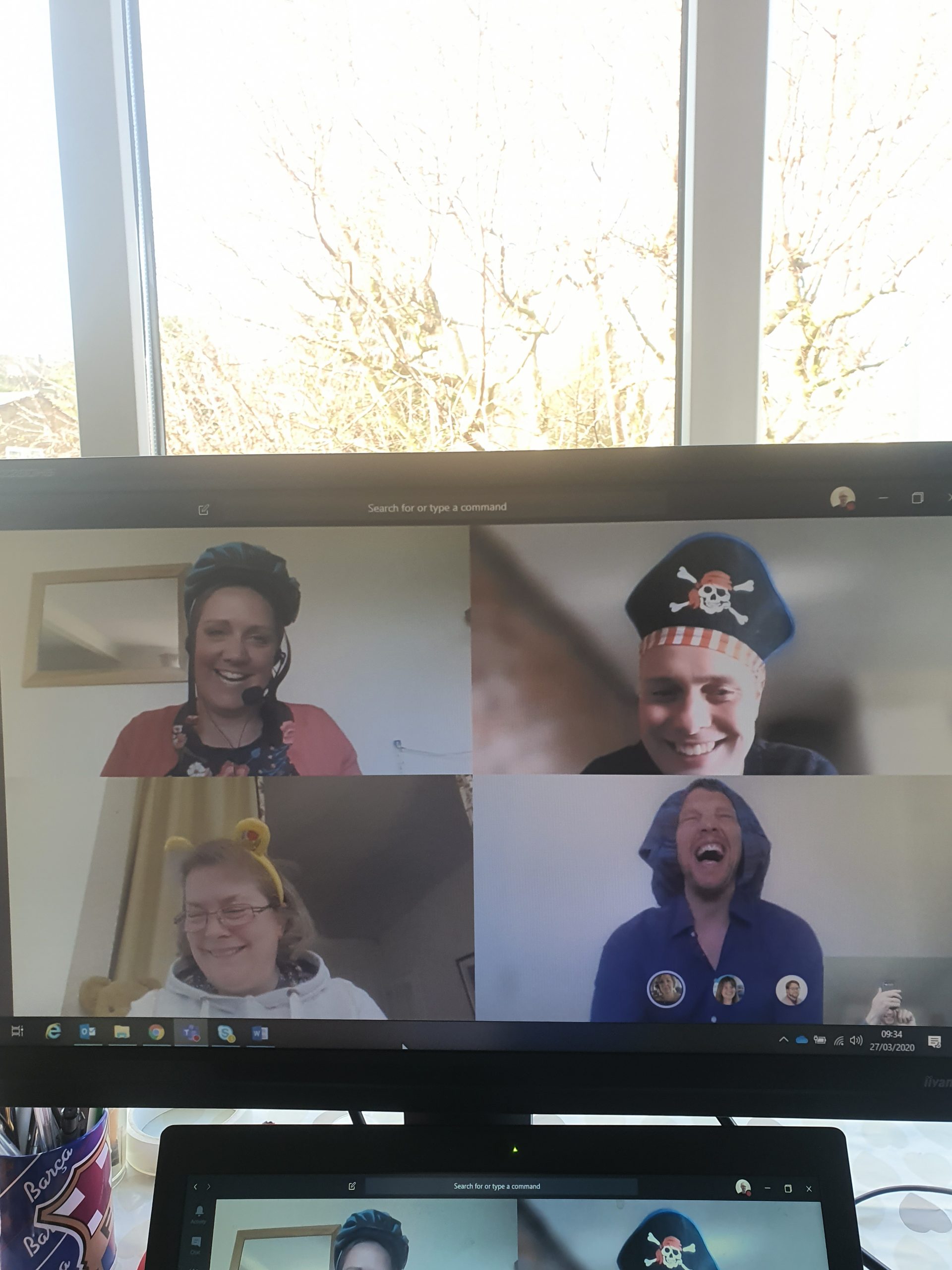
-
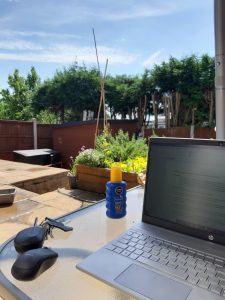
- A view from Lou Silver’s work-from-home garden

We want to bring to life the full story of the University during these unprecedented times, so would like photos and videos from staff and students of all campuses including China and Malaysia sharing key moments from the months of the pandemic.
This might be pictures of your home office, screen shots of Teams meetings, videos of buildings reopening on campus, photos of how you’ve taught students remotely.
A selection of these will then be used to create a visual timeline and added to the University Archive to complement official institutional records.
Bear in mind that material you send over may be published online so do seek permission from anyone featured in your content. Submit images, videos and content here.
If you are filming new video footage please consider the following guidelines.
Tags: call for content, home office, home working, remote working, story of Coronavirus
Posted in Announcements, News, Opportunities, People, Side news story | Comments Off on Help tell the story of the coronavirus and UoN – call for content
Nottingham’s universities and institutions unite to drive local recovery with UK’s first Civic Agreement
July 29th, 2020
Nottingham’s two universities, together with the City and County’s Local Authorities, hospitals and Local Enterprise Partnership, have today launched the Universities for Nottingham Civic Agreement – the first of its kind in the country.
This first Civic Agreement, which announces more than a dozen initiatives that will take place over the coming year, harnesses the collective will of the City and County’s biggest institutions to deliver meaningful change for the people and place of Nottingham and Nottinghamshire.
The development of the agreement was accelerated in response to the COVID-19 pandemic and is focused on a number of measures, which will be delivered by the universities and the other signatories to help drive economic revival and protect jobs.
For example, over the next three years, both universities will continue to work in collaboration with the D2N2 Local Enterprise Partnership, both Councils and other partners to deliver SME and enterprise programmes, which will now be aligned to local COVID-19 recovery plans to support more than 2,000 businesses and create over 1,000 new jobs.
President and Vice-Chancellor Professor Shearer West said: “This agreement demonstrates our commitment to working with our City and regional partners to bring about positive change for the people who live, work or visit Nottingham.”
Shared vision
Professor West added: “We are at a critical point in global history with our communities experiencing the devastating social and economic repercussions of the pandemic. Now, more than ever, we need to work together to drive local recovery and renewal.
“Today, we acknowledge the integral link between our universities and the city and county we are proud to call home. We are bound by a shared vision to enhance prosperity, opportunity, sustainability, health and wellbeing for current and future generations in our region.”
Professor Edward Peck, President and Vice-Chancellor of Nottingham Trent University, said: “We shared our ambition for collaboration across both universities and our partners at the launch of Universities for Nottingham in January. At the time we could not have envisaged just how essential that collaboration would be to helping our region recover from one of the toughest global economic and social crises it would face.
“Today’s Civic Agreement is the result of the universities and our partners pulling together to establish not just what we can achieve together, but how we will set about doing so as we help drive local recovery and strive to build back better.”
Dedicated taskforce
The inaugural Civic Agreement has been signed by both vice-chancellors and the leaders of six other major organisations in the city and county, including both local authorities and NHS organisations.
Across more than a dozen initiatives, it sets out a plan of collective action for the next year, covering five themes; Economic prosperity, Educational opportunity, Environmental sustainability, Health and wellbeing and Unlocking the universities.
Among the initiatives beginning immediately is joint work to ensure the safe and secure return of students to Nottingham from September and the development of a longer-term student living and regeneration strategy which both recognises the vital role they play in supporting businesses and jobs, as well as the importance of building stronger relationships between students and local residents.
The universities have already been working closely with Public Health England and local public health officials to develop a nationally-commended Local Outbreak Plan with a strong focus on higher education. The Local Resilience Forum and both universities have also established a dedicated taskforce to support the safe return of students; looking at the role they play in the local economy, how to ensure positive community relations and how local partners and businesses can work together with the universities to offer a warm welcome in the autumn.
Councillor Kay Cutts MBE, Leader of Nottinghamshire County Council, said: “I’m proud that key organisations from across the whole of Nottinghamshire are coming together at this challenging time. This agreement will be instrumental in strengthening alliances and help to make Nottinghamshire an even better place to live, work, learn and invest. Our two world-class universities are key to developing the innovation, skills and talent needed to support the local economy, which is more important than ever.”
Councillor David Mellen, Leader of Nottingham City Council, said: “This civic agreement recognises that the two universities play a valuable role in our city life, culturally, economically and socially. Students from across the country come to Nottingham and add to our vibrant and diverse communities, many of whom stay here and then contribute further to the city. The Universities for Nottingham initiative recognises the challenges we face in the city and that by coming together with the city council and other partners, we can all work together to improve the sustainability, health and economy of the city. I welcome this contribution to the city and look forward to making real strides for Nottingham people together.”
Pioneering innovation in the city
The universities will also explore a range of pioneering activities to boost educational opportunities locally, such as deploying primary and secondary trainee teachers to support students disproportionately affected by the COVID-19 crisis.
Health remains a key focus for the universities as they pledge to develop a major new joint medical technology offer to business, with an ambition to make Nottingham and Nottinghamshire a leading destination in which to invest or establish new businesses in health and life sciences. This builds on the collaboration between the universities on the Medical Technologies Innovation Facility project which focuses on the development of innovative products to meet future healthcare needs.
Richard Mitchell, Chief Executive of Sherwood Forest Hospitals NHS FT said: “We are fortunate to have two strong Universities in Nottingham and Nottinghamshire and we welcome the opportunity to work closely with them and other organisations. We recognise the future is uncertain and will at times feel volatile, but we believe a shared mission to improve economic prosperity, educational opportunity, environmental sustainability, health and wellbeing and the unlocking of our universities and other organisations will enable us to help our patients, citizens and residents thrive. Sherwood Forest Hospitals NHS FT is excited to be involved.”
Tracy Taylor, Chief Executive, Nottingham University Hospitals said: “Our links with the universities in our city are longstanding, from helping to train student doctors and nurses to carrying out ground-breaking research that transforms lives. Our clinicians, NHS professionals and patients work with students and staff to drive continuous improvements in the region’s health and care systems. We’re delighted to be part of this civic agreement, further strengthening our relationship and recognising the pivotal role healthcare organisations can play in helping to improve economic prosperity and social wellbeing.”
Healthcare to underpin wellbeing
The programme also details how the universities will explore the development of a joint programme of training and support to meet clinical skills needs in the local healthcare system.
Dr Andy Haynes, Executive Lead at Nottingham and Nottinghamshire ICS, said: “We are very excited to be involved in the Universities for Nottingham Civic Agreement which we hope will drive forward the future of the city in the wake of the Coronavirus pandemic. We are very lucky as a city to have two world-class universities and we are delighted to be able to work together alongside both universities and other organisations to deliver meaningful change for Nottingham and Nottinghamshire. Working together across the city and county is more important than ever before and we are grateful that the fundamental role healthcare can play in helping to improve economic and social wellbeing has been recognised.”
Unlocking talent and potential
As part of their commitment to help local partners more easily unlock access to talent across both universities, next year all student enterprise challenges and competitions will be immediately refocused to directly support local COVID-19 recovery. The universities are committed to working together to develop a more coordinated and collaborative approach to this type of work for the benefit of Nottingham and Nottinghamshire. For example, students and staff from both universities and the Civic Agreement’s co-signatories will be taking part in the University of Nottingham’s flagship student enterprise programme, Ingenuity, which will kick-off its 2020/21 programme over the summer before launching in September.
Using the themes of the Universities for Nottingham Civic Agreement as its key challenges, organisations and students from across the region will come together to develop ideas for new businesses, innovations and social enterprises that will help solve them. Over 300 ideas are expected to be generated by over 1,000 participants – leading to an investment of over £400,000 of support for the most scalable businesses.
Meanwhile, NTU’s Grads4Nottingham and Thinkubator schemes will be engaging with hundreds of employers each year to address their challenges, using student, graduate and academic expertise to resolve them. Separately, more than 12,000 students now engage with the Hive student and graduate incubator each year, aiming to learn more about the ways they can bring the solutions to societal challenges to commercial life.
David Williams, Interim Chair of D2N2 Local Enterprise Partnership, a co-signatory on the Civic Agreement, said: “D2N2 is delighted to be involved in this unique partnership to improve the lives of local people and shape Nottingham and Nottinghamshire. This pioneering Agreement will be vital in our collective efforts to address the impacts of the COVID-19 pandemic, support local recovery and help rebuild stronger communities. We are committed to working in collaboration with the Universities for Nottingham, alongside other local partners, across the themes of this Agreement to unlock our region’s potential, grow our economy and help our local communities to thrive.”
The signing of today’s Civic Agreement, done electronically due to the ongoing COVID-19 pandemic, marks the start of work on 14 initiatives which create the Universities for Nottingham’s plan of action for the first year.
The agreement and all 14 initiatives can be found on the Universities for Nottingham website.
Tags: Civic Agreement, D2N2, Universities for Nottingham
Posted in Announcements, News | Comments Off on Nottingham’s universities and institutions unite to drive local recovery with UK’s first Civic Agreement