

Food for sport
July 26th, 2012
At the very highest levels of elite sport, excellent nutrition can make the difference between gold and silver.
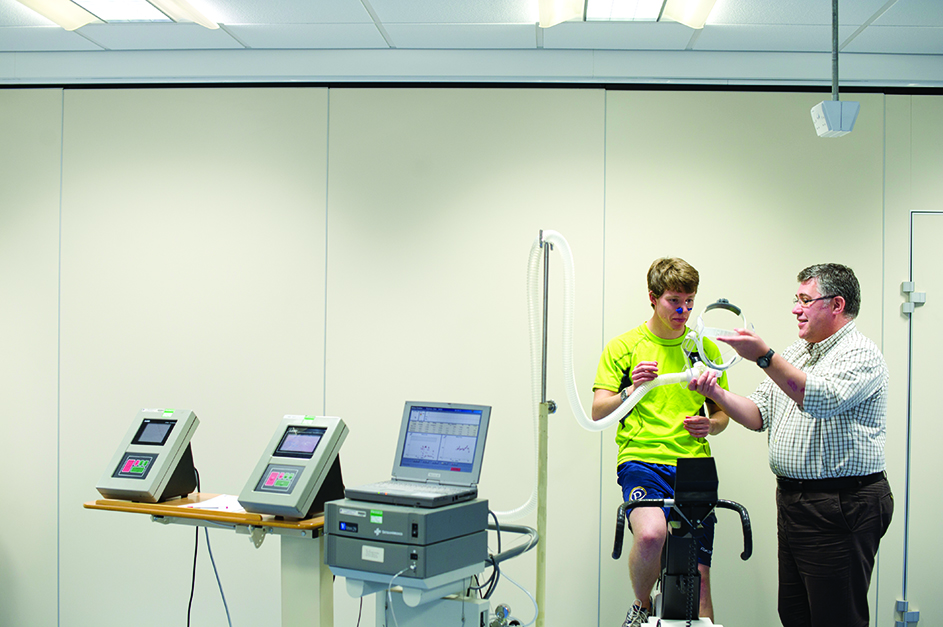
Research at Nottingham by Professor Paul Greenhaff and colleagues have now found that combining nutrient L-carnitine with carbohydrate encourages muscles to burn more fat when producing energy during exercise.
Previous studies elsewhere indicated human muscle does not respond to dietary L-carnitine supplements alone. The Nottingham team found a way to get L-carnitine into muscle as a dietary supplement and increase the way it is stored and used.
“This is the first study in healthy humans showing that muscle L-carnitine content can be influenced by dietary means, and that L-carnitine plays a dual role in skeletal muscle fuel metabolism during exercise that is dependent on exercise intensity,” said Prof Greenhaff.
“These metabolic effects resulted in reduced perception of effort and increased work output in a validated exercise performance test.”
The team created spin-out company NutraMET to provide an evidence-based supplement for elite athletes; some have already intregrated NutraMET Sport into their dietary and physical training regimes.
L-carnitine is critical to energy metabolism. For over 15 years, researchers at Nottingham have investigated and explained carnitine function in muscle. It shuttles long-chain fatty acids into cells’ mitochondria where they are broken down for energy generation, as well as maintaining muscle carbohydrate oxidation and offsetting lactate production during intense exercise.
In this study, muscle total carnitine (TC) increased by 21% after six months’ supplementation. It was unchanged in the control group. Taking the supplement for 24 weeks resulted in a 10% improvement in output during a 30-minute time trial. For moderate intensity exercise athletes consuming the NutraMET SPORT formula showed 55% less muscle glycogen utilisation than those fed with carbohydrate alone. During high intensity exercise NutraMET SPORT lowered muscle lactic acid accumulation by 44% compared to the control group. It provides measurable performance benefits across sports involving moderate to high intensity exercise.
Researchers in Biomedical Sciences at Nottingham have dedicated decades to investigating the biomedical basis of elite performance. They have improved understanding of metabolic physiology and muscle maintenance, helping top athletes improve the efficacy of nutrition and training.
Prof Greenhaff contributed to research into exercise and nutrition 20 years ago which helped elite athletes use creatine successfully to improve performance, resulting in gold and silver Olympic medals. Perhaps this summer will see another leap forward.
Visit: http://tiny.cc/Nutrients.
Comments are closed.
Other Research

Welcome to Associate Pro-Vice-Chancellor for Researcher Academy and Research Culture Development
Professor Jeanette Woolard has been appointed as Associate Pro-Vice-Chancellor for the Researcher Academy and Research Culture Development. […]

Strong research funding performance is a fantastic achievement
Professor Tom Rodden’s research update I am delighted to report that the University of Nottingham is […]